I knew I was going to like Vietnam before I arrived. I didn’t realise quite how much I’d end up learning from being here.
I’ve travelled through northern, central, and southern Vietnam, and one of the biggest things I’ve learned is that Vietnam isn’t one experience. The landscapes, food, weather, and pace of travel can feel completely different from one region to the next.
I’ve also discovered things I wish I’d known before travelling in Vietnam, from visa requirements and mobile data to getting around the country and navigating Vietnamese etiquette.
So, if you’re planning your first trip, these are the things I wish I knew before travelling Vietnam.
The Practical Things To Know Before Travelling Vietnam
Let’s start with the boring-but-important stuff. Get these sorted before you arrive and you can spend more time thinking about where you’re going to eat.
1. Check Your Vietnam Visa And Passport
Vietnam’s visa rules depend on your nationality, so don’t assume you need a visa — or assume you don’t.
For British passport holders, Vietnam currently allows visa-free tourism for stays of up to 45 days. If you want to stay longer, Vietnam’s e-visa allows stays of up to 90 days, with single or multiple entry options.
The official Vietnamese Immigration Department confirms that e-visas can be valid for a maximum of 90 days.
Your passport also needs to be valid for at least six months from the date you arrive in Vietnam, with at least two blank pages, and it must not be damaged. You need to enter and leave Vietnam using the same passport.
If you’re travelling for several months, this is worth knowing before you start planning your route. I wouldn’t leave the Vietnam tourist visa question until you’re standing in an airport.
💡 Roamwise Tip
Always check the rules for your own nationality before travelling, as visa exemptions and requirements differ.
👉 You can visit Vietnam’s official e-visa portal here.
2. Get a SIM Card or eSIM
Getting a SIM card with mobile data in Vietnam is ridiculously easy compared with some countries I’ve travelled through (India, I’m looking at you).
Best SIM Card Or eSIM Options In Vietnam
| Option | Type | Best for | My take |
| Viettel | Physical SIM | Travelling throughout Vietnam | My pick for rural and mountain areas |
| Vinaphone | Physical SIM | Cities and general travel | I used this and had no major problems |
| Mobifone | Physical SIM | General travel | Another major Vietnamese network |
| Airalo | eSIM | Arriving with data already set up | Convenient if your phone supports eSIM |
| Holafly | eSIM | Heavy data users | Worth comparing if you want an eSIM |
| Trip.com | eSIM | Booking travel and data in one place | Convenient if you already use Trip.com |
I used the Vinaphone network, and it worked well enough for me, but if I were doing it again, I’d probably choose Viettel. I’ve found Viettel particularly useful when travelling away from the major cities and into more rural areas.
Having data makes travelling around Vietnam considerably easier. Maps, translation, Grab, bus bookings, accommodation, and messaging people all become much less stressful when your phone actually works.
I’d sort it out early rather than relying entirely on hotel Wi-Fi.
3. You Need The Right Licence To Ride A Motorbike
Vietnam is famous for motorbike travel, but having a driving licence from home does not automatically mean you are legally allowed to ride a motorbike in Vietnam.
For British drivers, GOV.UK states that you need both your UK driving licence (with motorbike endorsement) and a 1968 International Driving Permit (IDP) with A and A1 categories stamped. You also need appropriate insurance.
And there’s a difference between being able to physically ride a motorbike and being legally licensed and insured to ride one.
I wouldn’t treat the latter as an optional technicality.
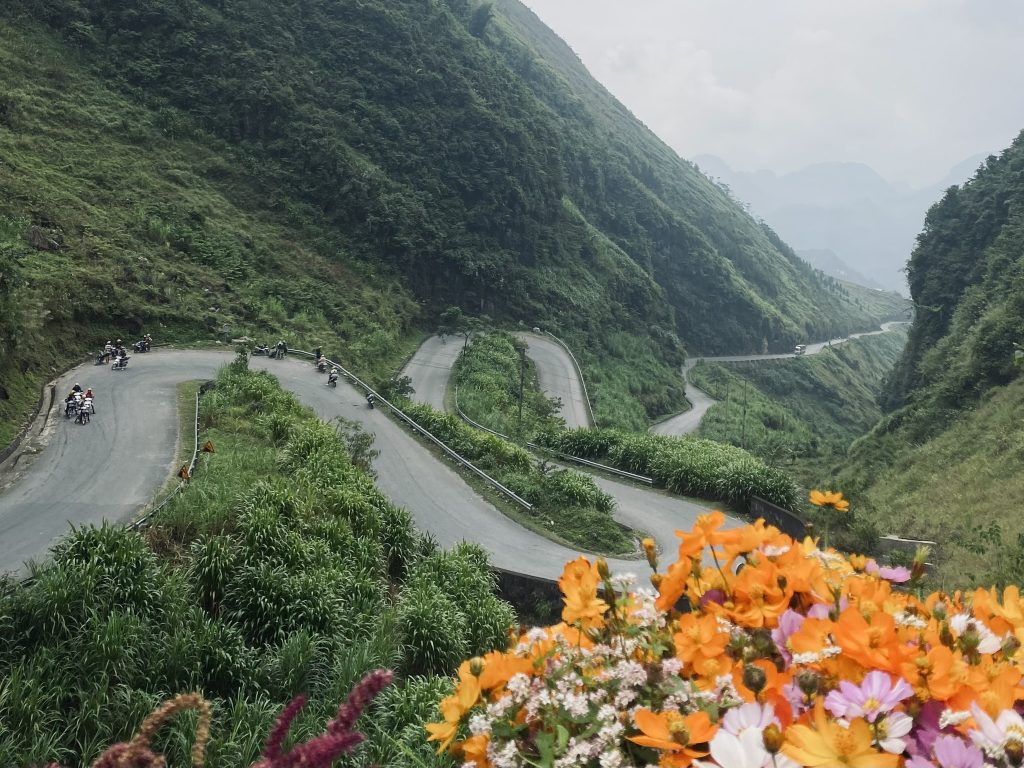
Northern Vietnam’s mountain roads are not somewhere I’d recommend learning to ride a motorbike for the first time.
4. A Few Small Things I Always Carry
After travelling around Vietnam, there are a few things I’d always put in my bag:
- Tissues — because toilets don’t always have toilet paper.
- Hand sanitiser — particularly useful when travelling rurally.
- A light layer — buses love aggressive air conditioning.
- Power bank — useful on long travel days.
- Translation app — you’ll eventually need it.
- Small VND notes — much easier for small purchases.
- Digital copies of important documents — passport, visa, insurance, etc.
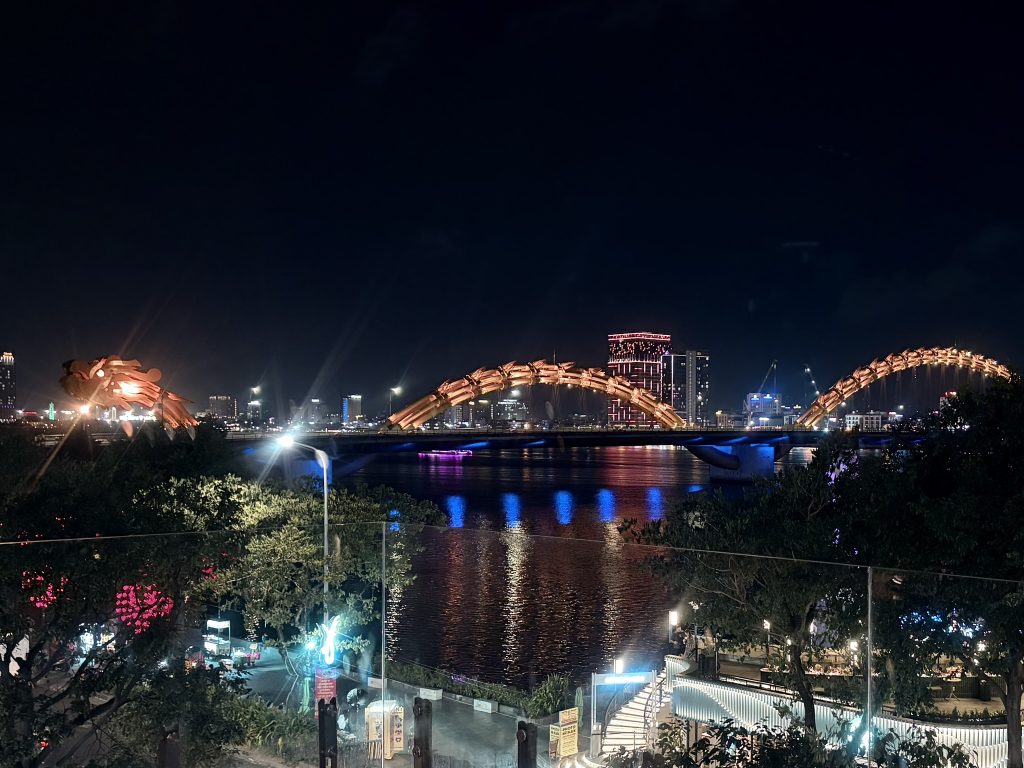
Getting Around Vietnam Is Easier Than I Expected
One of the things I wish I’d known before travelling Vietnam is how many different ways there are to get around the country, from sleeper buses and trains to domestic flights and Grab.
5. Vietnam Is Bigger Than It Looks
This is probably one of the biggest things I wish I’d understood before travelling Vietnam.
On a map the country looks relatively compact, but travelling from one end of the country to the other takes time.
And the journey itself can be part of the experience.
You have flights, trains, standard buses, sleeper buses, taxis, and motorbikes, and the best option depends massively on the route.
I stopped thinking of travel time as wasted time fairly quickly. If I’m going somewhere overnight, I’ll happily take a sleeper bus and wake up somewhere completely different.
Which brings me to one of my favourite discoveries…
6. Sleeper Buses Are An Efficient Way to Travel
I had heard all the usual stories about Vietnamese sleeper buses before I started using them.
I still expected them to be horrible. They aren’t.
At least, the good ones aren’t.
Vietnamese sleeper buses have lie-down berths rather than normal upright seats, and many long-distance routes operate overnight. They can be a genuinely comfortable way to cover huge distances while also saving you a night of accommodation.
Once I got used to them, I became a fan.
There is something very satisfying about getting on a bus in the evening, lying down, sleeping for several hours, and arriving in another part of Vietnam the next morning.
You do need to choose your bus carefully, though. Standards vary between operators, and I’d keep my passport, phone, wallet, and other valuables somewhere secure on my person, rather than tucked in a bag underneath my feet while I sleep.
I’d also bring a layer. The air conditioning can be enthusiastic.
7. Your Bus Might Be Late. That Doesn’t Mean You’ve Missed It.
This was one of my favourite lessons in travelling around Vietnam.
I learned that my bus will come when it comes. Just as long as I’m there waiting for it, it will generally come and get me.
Vietnamese transport doesn’t always operate according to the exact timetable you might expect at home. Pick-up locations can also be a little confusing, particularly when a bus company gives you a general location rather than a beautifully signposted coach station.
So I don’t like cutting things fine.
I’d rather arrive early, find the pick-up point, and wait than spend the final ten minutes of my journey frantically wondering whether I’m standing beside the correct petrol station.
💡 Roamwise Tip
If you book through a hostel or hotel, the bus pick-up point tends to be from there, which can make things a lot easier.
8. Trains Are Worth Considering
Vietnam’s trains are slower than flying, but they’re a good option if you want to see more of the country or travel overnight.
You can book seated carriages or beds in four-berth cabins, making overnight trains a surprisingly comfortable way to cover longer distances.
You get to see the scenery from ground level, too, which makes rail particularly appealing on some north-to-central and central-to-south routes.
If speed matters most, fly.
If price and convenience matter most, look at buses.
If you want the journey to be part of the experience, I’d consider the train.
💡 Roamwise Tip
If you’re worried about sleeping on a train, I once got onboard in Hue, fell asleep at 7 pm, and woke up at 5 am when we pulled into Hanoi. Just saying, it might be more comfortable than you’re expecting…
9. Grab Makes City Travel Very Easy
In the bigger cities, I use Grab because it removes a lot of unnecessary faffing around.
You can book cars and motorbikes through the app, see the price beforehand, pay with cash or card, and avoid the awkward process of trying to explain where you’re going when neither of you speaks much of the other’s language.
One thing I do recommend at airports: book through the actual Grab app rather than accepting a random person offering to be your Grab driver.
If someone approaches you claiming to be your driver, check that your booking is on their phone before getting in.
💡 Roamwise Tip
Xanh SM is another option for Vietnam taxi travel, and it can be a little cheaper, but it does require a Vietnamese phone number.
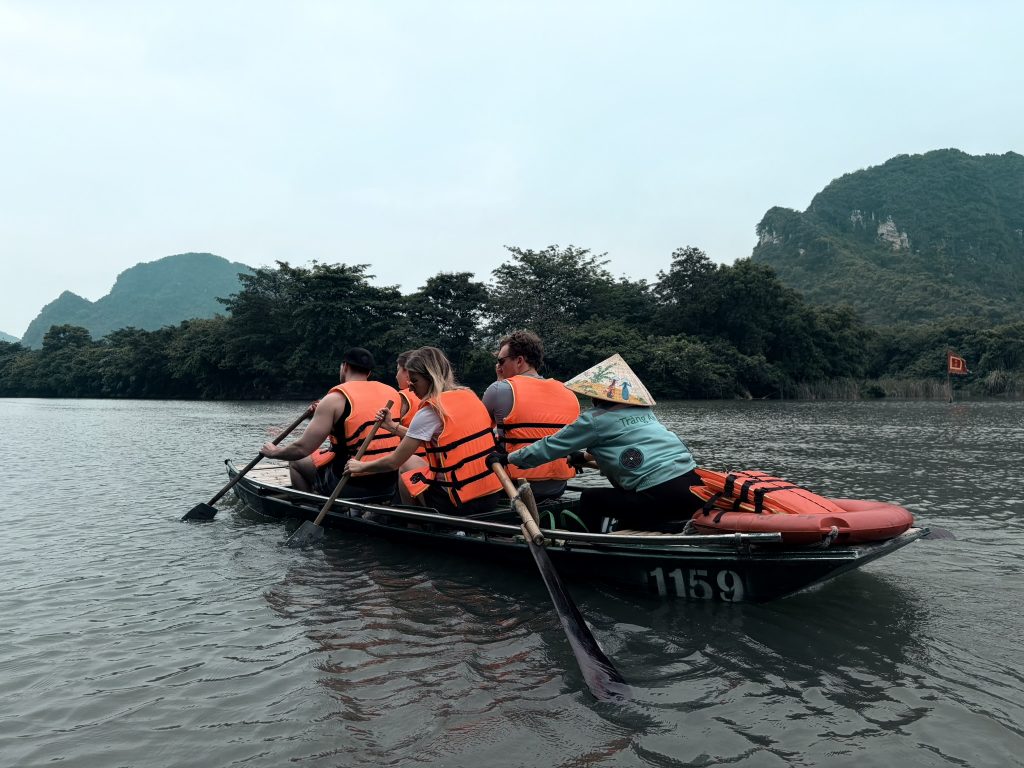
The Food Is One Of The Reasons I’d Go Back To Vietnam
Food is one of the things I’d tell anyone travelling to Vietnam to look forward to, and there are a few things I wish I’d known before my first trip.
10. Vegetarian Food In Vietnam Is More Popular Than I Expected
If you’re vegetarian, don’t assume travelling through Vietnam means surviving on rice and spring rolls.
Vietnam has loads of vegetarian options.
You’ll see ‘chay’ used to indicate vegetarian food, and many Vietnamese dishes can be made without meat or fish.
I’ve found Vietnamese food incredibly fresh and generally much lighter than some of the food I was used to eating while travelling elsewhere in Asia.
And it’s very, very good.
If you’re unsure about ingredients, learn the Vietnamese phrase: ‘tôi là người ăn chay’, ‘I’m vegetarian’, and keep a translation app handy.
💡 Roamwise Tip
I heard lots of stories before travelling Vietnam, about accidentally being served cat or dog. You won’t. Unless you deliberately seek it out, it’s not something you need to worry about. You can have an incredible food experience in Vietnam without eating anything unusual at all.
11. Vietnamese Coffee Is Addictive
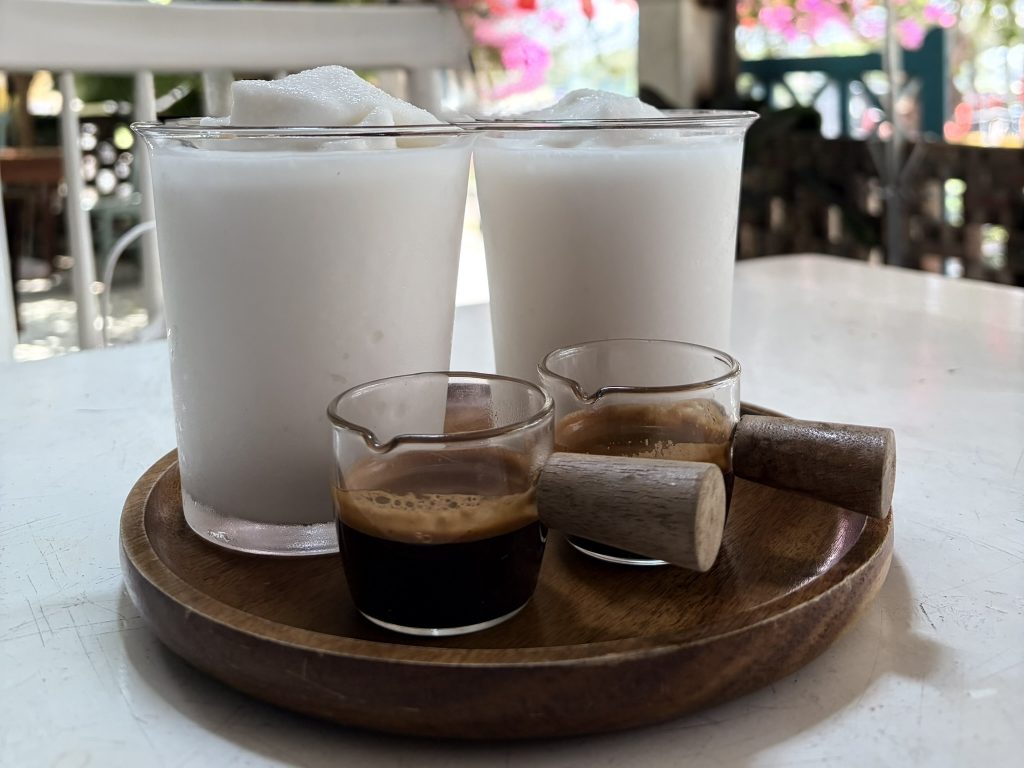
Vietnamese coffee is strong, sweet, and completely addictive.
You’ve got cà phê sữa đá, egg coffee, coconut coffee, salted coffee, and plenty of variations depending on where you are.
I came to Vietnam liking coffee and left with considerably higher standards.
If you’re travelling through Hanoi, egg coffee is one of those things I’d actively seek out rather than treating it as a tourist gimmick.
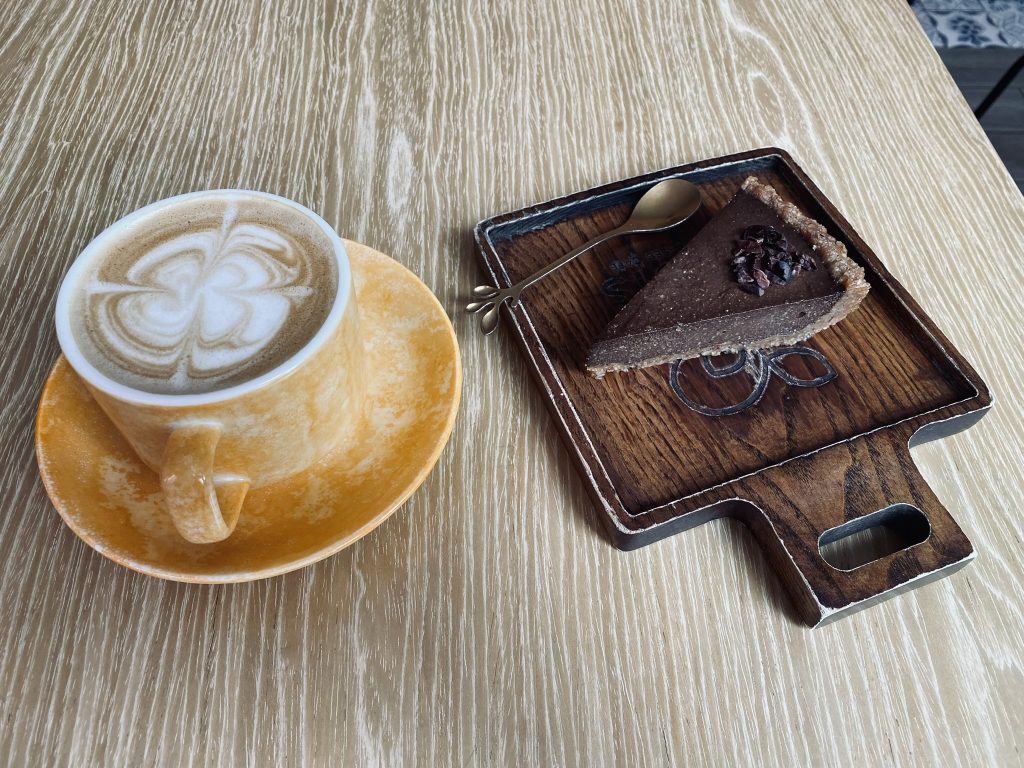
Vietnamese People And Culture Will Shape Your Experience
Nothing you can read before travelling Vietnam will fully prepare you for the people you’ll meet. I’ve found that getting to know Vietnamese people and understanding a little about the culture has shaped my experience of the country as much as any itinerary ever could.
12. Vietnamese People Are Friendly, Kind, and Curious
This is the part I wish I could have known before arriving because no Vietnam planning guide can really prepare you for it.
I’ve found Vietnamese people to be incredibly friendly, funny, resilient, and proud of their country.
And I’ve learned that getting to know people changes your experience of Vietnam completely.
I’ve had Vietnamese people go out of their way to help me simply because… they’re nice people.
There’s a real sense of efficiency and resourcefulness that I’ve noticed repeatedly, too. Things might not always happen exactly as I’d expect them to, but somehow they usually get sorted.
Vietnamese people are also curious about foreigners.
If you make an effort to talk to people, don’t be surprised if you get asked where you’re from, how old you are, whether you’re married, what you do, if you want to eat rice with them, and approximately seventeen other questions you weren’t expecting five minutes into the conversation.
I actually love this.
13. English Is More Widely Spoken Than I Expected
I wouldn’t arrive expecting everyone to speak English, particularly in rural areas. But I’ve found communication much easier than I expected.
In cities and tourist areas, English is widely used, and even when someone’s English isn’t strong, people will usually make a genuine effort to help.
Sometimes that means Google Translate. Sometimes hand gestures. Sometimes three Vietnamese people stood around you laughing away trying to work out what you’re asking.
It might take a moment, but with a little patience, you’ll be understood eventually.
14. Learn A Few Vietnamese Words
Vietnamese is hard and I’m not going to pretend otherwise.
The tones alone can make you realise very quickly that confidently saying a Vietnamese word doesn’t necessarily mean you’ve said the Vietnamese word you thought you said.
But Vietnamese people genuinely appreciate the effort.
You don’t need to become fluent. I’d learn a few basics:
- Xin chào — hello
- Cảm ơn — thank you
- Xin lỗi — sorry/excuse me
- Bao nhiêu? — how much?
- Không — no
- Ngon — delicious
- Chay — vegetarian
Even attempting them is usually worth it.
And if you completely butcher the pronunciation, at least you’ve probably made somebody smile.
15. Vietnamese Etiquette Is Worth Knowing
Vietnam is easy to navigate culturally, but there are a few small things worth knowing before you travel:
- Take your shoes off when entering someone’s home, and follow the same rule at temples and religious sites where appropriate.
- Don’t touch people’s heads, particularly if they’re older than you.
- Don’t point directly at people, and always ask before taking someone’s photograph, especially in rural communities.
- Don’t put money on the floor. It’s treated with respect, so hand it over rather than dropping or throwing it down.
- Be aware of age. Age and hierarchy matter in Vietnamese culture, including how people address each other. You don’t need to memorise every Vietnamese pronoun — just be respectful and follow the lead of the people around you.
None of this is difficult. Most of the time, paying attention to what locals do is the best guide.
16. Vietnam Loves Football And Karaoke
If you spend enough time around Vietnamese people, football and karaoke are going to become part of your life whether you planned for them or not.
Vietnamese football is taken very seriously, and when there is a big match on, you’ll notice.
Karaoke is similarly beloved.
💡 Roamwise Tip:
Karaoke is very popular in Vietnam, but not every karaoke bar is quite as innocent as it sounds. Some are genuinely just rooms full of people enthusiastically singing badly. Others have a rather different reputation. If you’re looking for a karaoke night, choose your venue carefully.
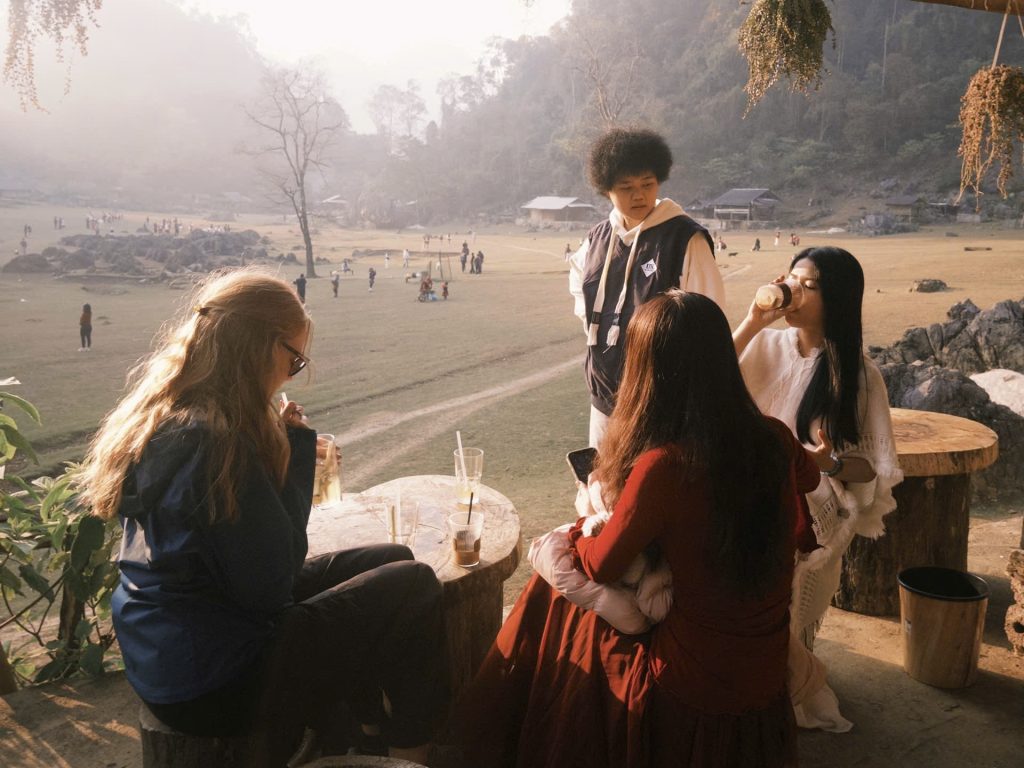
Vietnamese Festivals Are Worth Planning Around
If you’re planning when to travel to Vietnam, it’s worth checking whether your dates coincide with one of the country’s major festivals. Some can add something genuinely special to a trip, while others require a little more planning.
17. Some Festivals Are Worth Timing Your Trip Around
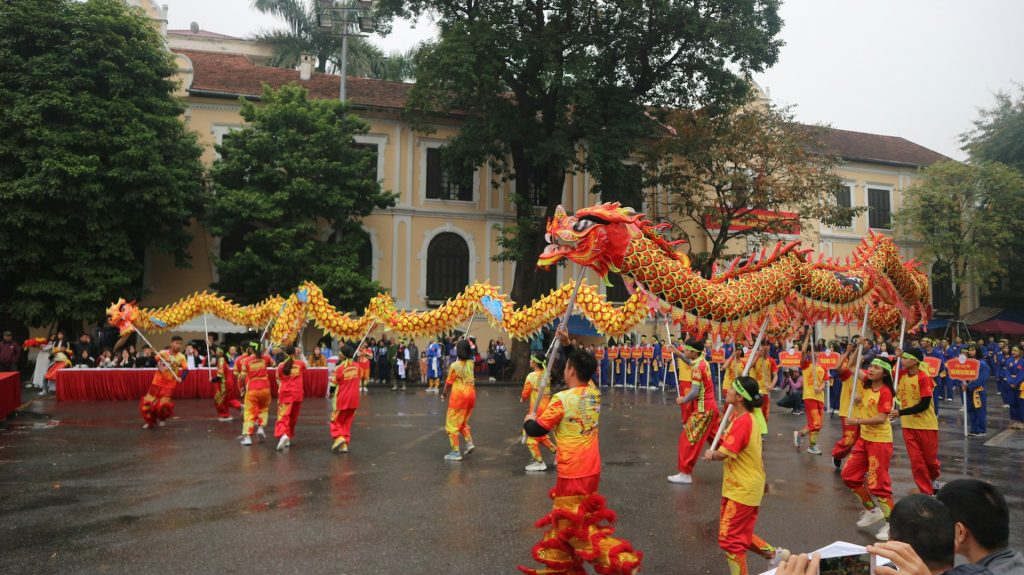
Vietnam has festivals and celebrations throughout the year, and if your dates line up, I’d absolutely consider planning your trip around one.
I’ve found that festivals give you a very different experience of Vietnam because they’re not just something put on for tourists. They bring families, communities and entire neighbourhoods into the streets.
Tết Trung Thu, Vietnam’s Mid-Autumn Festival, is a great example. You can see lanterns, lion dances and celebrations taking place in neighbourhoods across the country, and it’s particularly lovely if you’re travelling with children or simply want to experience a more community-focused side of Vietnam.
National Day on 2 September is another time when you’ll notice a different atmosphere, with celebrations and flags appearing throughout the country.
If your dates happen to line up, I’d take advantage of it rather than treating festivals as something you need to avoid.
👉 You can read more about the history, traditions and legends behind Tết Trung Thu.
18. Be Prepared For Things To Close During Tết
However… Tết — Vietnamese New Year — is a different story if you’re trying to travel on a normal schedule.
It’s the biggest holiday of the Vietnamese calendar, and while experiencing Tết can be fascinating, you should really plan to avoid it.
Many businesses close, transport can become extremely busy, and accommodation and travel prices can increase around the holiday period. Some restaurants and shops operate with reduced opening hours or close completely as people return home to spend time with their families.
💡 Roamwise Tip:
If you’re travelling during Tết, book important transport and accommodation well in advance and check opening arrangements rather than assuming everything will operate normally.
If you’re not specifically travelling to experience Tết, I’d personally choose dates outside the main holiday period. It makes travelling around the country considerably easier.
A Few Things To Know Once You’re In Vietnam
Some things are impossible to understand until you’re actually travelling around Vietnam. These are the little lessons I picked up once I was here.
19. Crossing The Road Is A Skill
Crossing the road in Vietnam looks terrifying until you realise the trick is to walk steadily and commit.
Don’t sprint, stop halfway, or suddenly change direction. Let the traffic anticipate where you’re going and move around you.
Some pedestrians also raise a hand when crossing, which can help signal their intentions to drivers.
It still takes a bit of getting used to, particularly in Hanoi Old Quarter and Ho Chi Minh City, but eventually you barely think about it.
Just watch the traffic, take your time, and don’t assume anything is going to stop for you.
20. Vietnam Is Safer Than You Might Expect — But Don’t Switch Your Brain Off
I feel comfortable travelling Vietnam, but I don’t treat it as somewhere where nothing can go wrong.
Petty theft is the main thing I’d be mindful of, particularly in busy tourist areas and on crowded transport. On overnight buses and trains, I keep my passport, phone, wallet, and other valuables on my person rather than leaving them loose beside me while I sleep.
I’d also never hand over my passport as a deposit for a motorbike. And if you’re riding yourself, road safety is a much bigger concern than petty theft. Traffic can be chaotic, particularly on mountain roads, so I’d only ride if you’re properly licensed, insured, and genuinely confident on a motorbike.
So yes, I think Vietnam is an easy country to travel around. I just wouldn’t confuse easy with risk-free.
21. Vietnam Doesn’t Have One Travel Season
One thing I wish I’d realised before travelling Vietnam is that there isn’t one single travel season for the whole country.
Vietnam stretches a long way from north to south, and the weather can be very different between regions. The north has cooler winters and more noticeable seasons, while central and southern Vietnam stay warmer for much of the year and have their own rainy periods.
That means there isn’t really one “best time to visit Vietnam”. The best time depends on where you’re going and what you want to do.
And this is something I think is particularly important if you’re travelling through the country rather than staying in one place. A month that gives you lovely weather in Hanoi might mean completely different conditions in Hoi An or Ho Chi Minh City.
The mountains can be even more unpredictable. Weather can change quickly, particularly in northern Vietnam, and conditions can make a bigger difference to your plans when you’re travelling by motorbike or heading into rural areas.
💡 Roamwise Tip:
If you’re travelling through multiple regions, check the weather for each part of your route rather than searching for one “best” month to visit Vietnam.
22. North, Central Or South? They’re Almost Different Countries
I didn’t really appreciate how different Northern, Central, and Southern Vietnam would feel until I’d travelled through them.
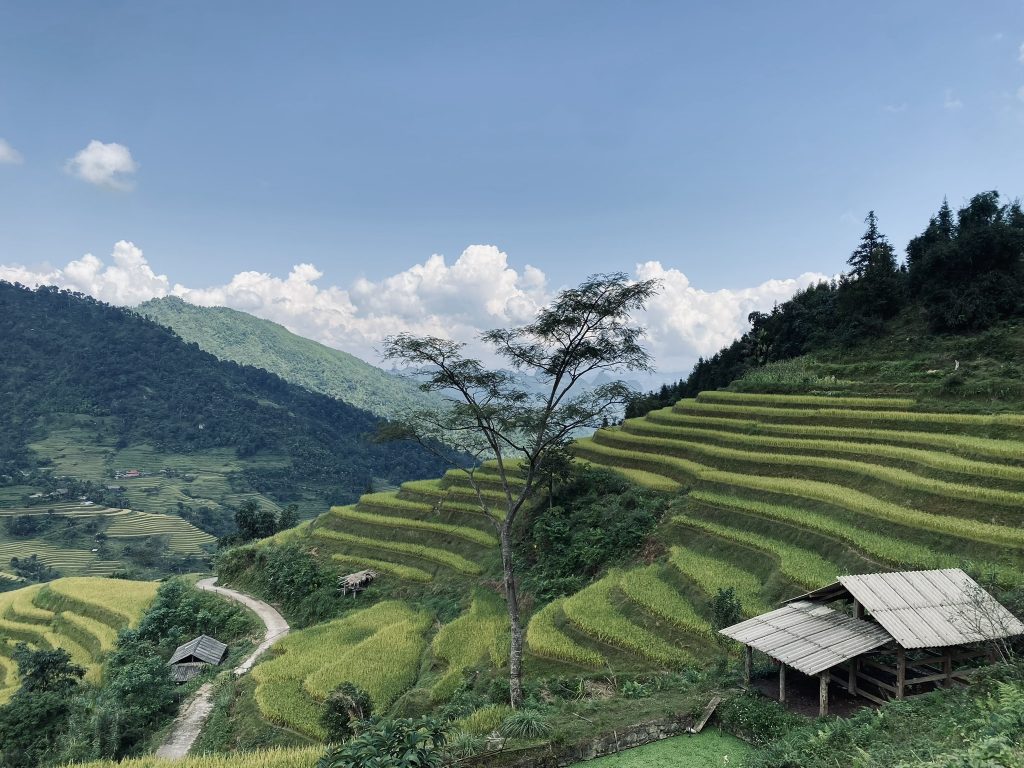
- Northern Vietnam: mountains, rice terraces, cooler winters and more noticeable seasons.
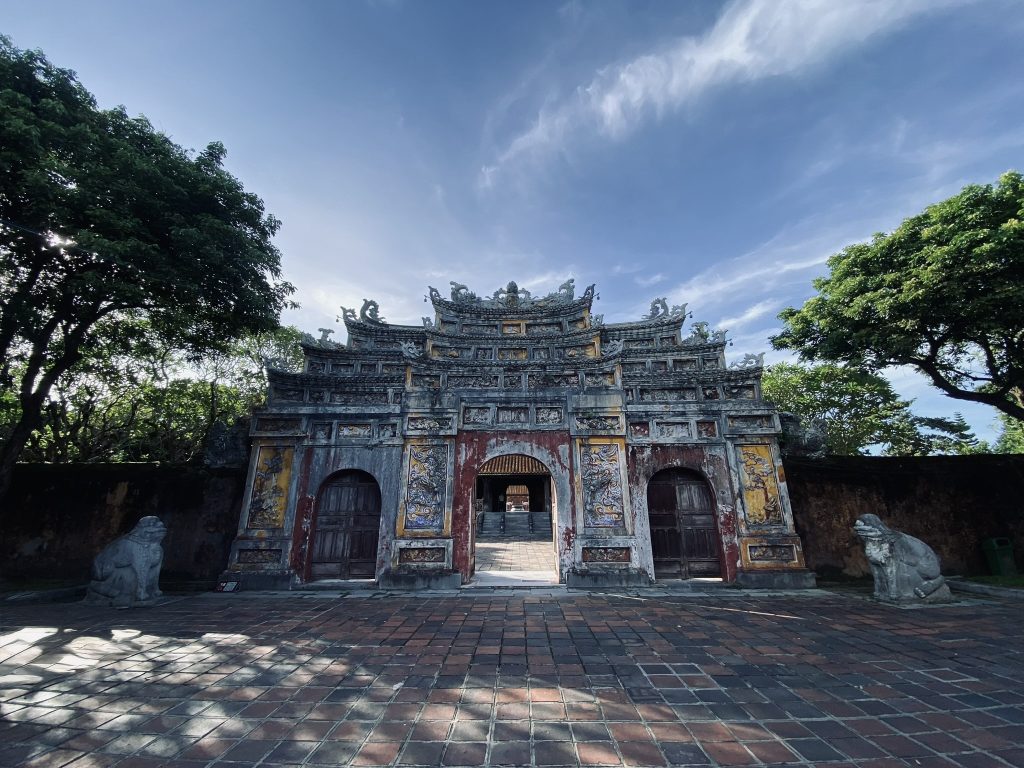
- Central Vietnam: history, beaches, caves and its own distinct rainy periods.
- Southern Vietnam: hotter, more tropical and less affected by the seasonal changes you’ll notice in the north.
So when you’re planning a Vietnam itinerary, think about the country as three very different regions rather than one long stretch of road.
If you’ve only got a week or two, I’d pick one region.
23. There Is More To Vietnam Than The Backpacker Route
Speaking of Vietnamese itineraries… I wish I’d realised earlier that I didn’t have to travel Vietnam the way everyone else does.
There’s absolutely nothing wrong with the classic route — Hanoi, Ha Long Bay, Ninh Binh, Da Nang, Hoi An, and Ho Chi Minh City are popular for good reason.
If you’re not sure where to start, I’ve put together my classic Vietnam route and some alternative options.
But the more of Vietnam I’ve seen, the more I’ve wanted to get beyond the obvious stops. The countryside is some of the most beautiful I’ve ever seen, and Northern Vietnam in particular completely changed what I wanted from travelling here.
You don’t have to skip the famous places. Just don’t assume they’re the whole country.
FAQs Before Travelling Vietnam
Still wondering what you need to know before travelling to Vietnam? These are some of the questions I think are most useful to answer before you book your trip.
Do I need a visa to travel to Vietnam?
It depends on your nationality. British passport holders can currently visit Vietnam visa-free for up to 45 days, while Vietnam’s e-visa can allow stays of up to 90 days with single or multiple entry. Always check the current rules for your nationality before travelling.
How long can you stay in Vietnam?
For travellers using an e-visa, the maximum validity is currently 90 days. Some nationalities also have visa exemptions for shorter stays.
Is Vietnam easy to travel around?
Yes. I find Vietnam relatively straightforward for independent travel, particularly because of the extensive bus network, trains, domestic flights, Grab, and easy access to mobile data.
The trick is accepting that transport doesn’t always run exactly to the timetable you might expect.
Is Vietnam safe for tourists?
I feel comfortable travelling around Vietnam, but normal precautions still apply. Keep valuables secure, be particularly careful on overnight transport, and take road safety seriously. If you’re driving, make sure you’re legally licensed and properly insured.
My Biggest Lesson From Travelling Vietnam
If there’s one thing I wish I’d known before travelling Vietnam, it’s that you don’t need to have everything figured out before you arrive.
Know the important stuff: check your visa, sort your travel insurance, get some mobile data, and have a rough idea of where you’re going.
After that, leave some room.
Vietnam is easy to travel around, but I think it’s even better when you stop trying to control every minute of it.
Plan enough to make the trip easy. Leave enough room for Vietnam to surprise you.
Roamwise by Leaf — Practical guides | Forgotten stories | Meaningful journeys