

Northern Vietnam is the part of the country I’d recommend if you want a trip that combines cities, incredible food, mountains, rice terraces, islands, and a bit of adventure.
I’ve travelled around the north several times, and one thing I’ve learned is that there is far too much to fit into one trip. You could spend weeks exploring the mountains alone, never mind adding Hanoi, Ninh Binh, and the coast.
So rather than giving you a list of every destination you could possibly visit, this Northern Vietnam travel guide focuses on the places and experiences I’d actually prioritise, plus two different ways I’d plan a 14-day trip.
The first is the classic Northern Vietnam route, which gives first-time visitors a good mix of the region’s biggest highlights.
The second is for travellers who’d rather spend more time on mountain roads and less time following the usual tourist route.
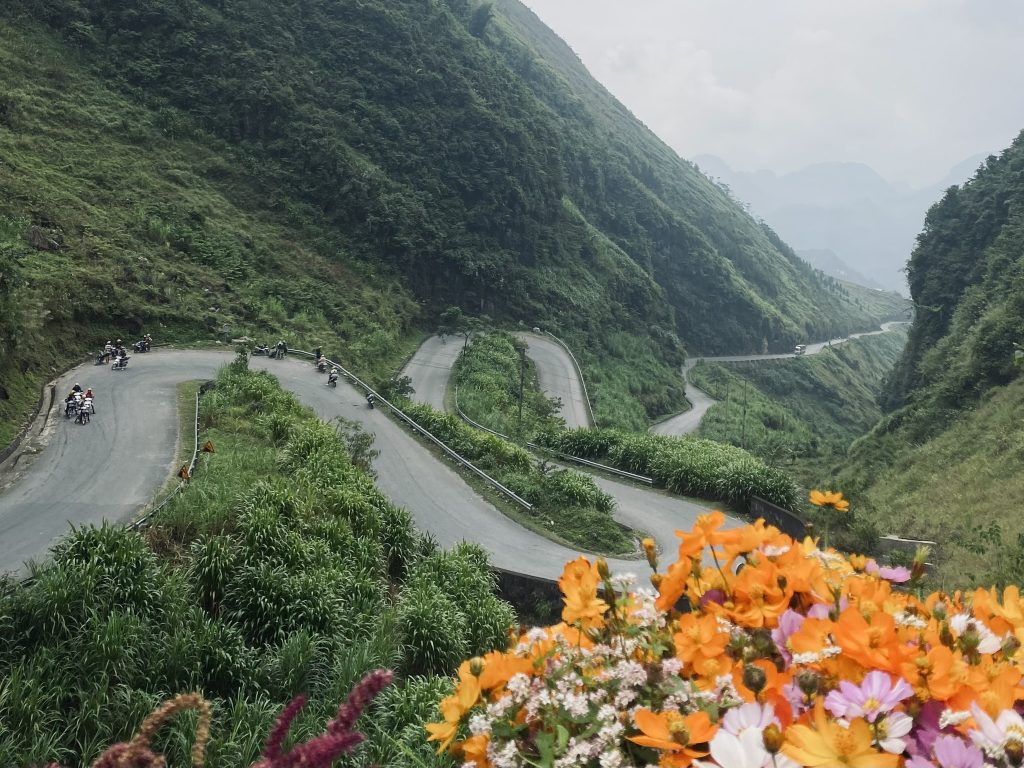
The Practicalities of Travelling in Northern Vietnam
Getting There
For most international travellers, Hanoi is the obvious gateway to Northern Vietnam.
Noi Bai International Airport has regular international and domestic connections, making Hanoi an easy starting point for a northern itinerary.
If you’re already travelling around Vietnam, Hanoi is also well connected by domestic flights, trains, and buses.
💡 Roamwise Tip
If you’re starting your trip in Hanoi, I’d spend some time simply wandering the Old Quarter before rushing off to the next stop. The streets have their own fascinating history, and I’ve written more about why Hanoi’s Old Quarter looks the way it does.
Getting Around
Northern Vietnam is relatively easy to travel around, but don’t underestimate the distances once you head into the mountains.
Sleeper buses and limousine vans are useful for popular routes between Hanoi and destinations such as Ninh Binh and Sapa. Trains are another option, particularly for reaching Lao Cai before continuing to Sapa.
For mountain destinations such as Ha Giang and Cao Bang, private cars, organised tours, and local drivers can make life considerably easier.
And then there’s the motorbike.
If you’re an experienced rider with the appropriate licence and insurance, travelling by motorbike can be an incredible way to see Northern Vietnam.
If you’re not, don’t treat the Ha Giang Loop as your motorbike training course. An Easy Rider (local driver) gives you the experience without putting you in charge of navigating mountain roads.
When Should You Visit Northern Vietnam?
March–April and September–November are two of my favourite periods for a Northern Vietnam trip.
Spring generally brings comfortable temperatures and green landscapes, while September and October are particularly good if you want to see golden rice terraces.
May to August is hotter, wetter and more humid, although the countryside is beautifully green.
December to February is cooler, particularly in the mountains. Sapa and other high-altitude destinations can be cold and misty, so pack accordingly.
💡 Roamwise Tip
The exact harvest period varies between destinations and from year to year, so check conditions for the specific area you’re visiting.
How Long Do You Need?
I’d recommend at least 10 days for a first taste of Northern Vietnam, but 14 days gives you enough time to combine several different areas.
If you have 21 days, even better—you’ll have much more flexibility and can explore beyond the classic route towards places such as Cao Bang, Hoang Su Phi, Ba Be, Mai Chau, Moc Chau, and Mu Cang Chai.
If you only have a week, I’d stick to Hanoi, Ninh Binh, and the bay. But with two weeks, you can add Sapa or Ha Giang.
Where Should You Stay?
For Hanoi, I’d stay around the Old Quarter or Hoan Kiem Lake for a first visit.
In Ninh Binh, I’d choose Tam Coc or Trang An rather than staying in the Ninh Binh city area.
In Sapa, staying outside the centre gives you easier access to the countryside and trekking routes.
For Ha Giang, your accommodation will largely depend on your chosen tour or route, with homestays being an important part of the experience.
Is Northern Vietnam Expensive?
Northern Vietnam can be very affordable, particularly for food, local accommodation, and everyday transport.
Your budget can increase considerably once you add private cars, organised mountain tours, nicer hotels, or overnight cruises.
I’d spend money where it improves the experience rather than automatically choosing the cheapest option.
A good Ha Giang guide or a decent bay cruise is worth paying more for; saving a few pounds on something that makes the entire experience miserable isn’t.
What About Food?
Eat everything you can. Northern Vietnam is brilliant for food, and there are plenty of vegetarian options too.
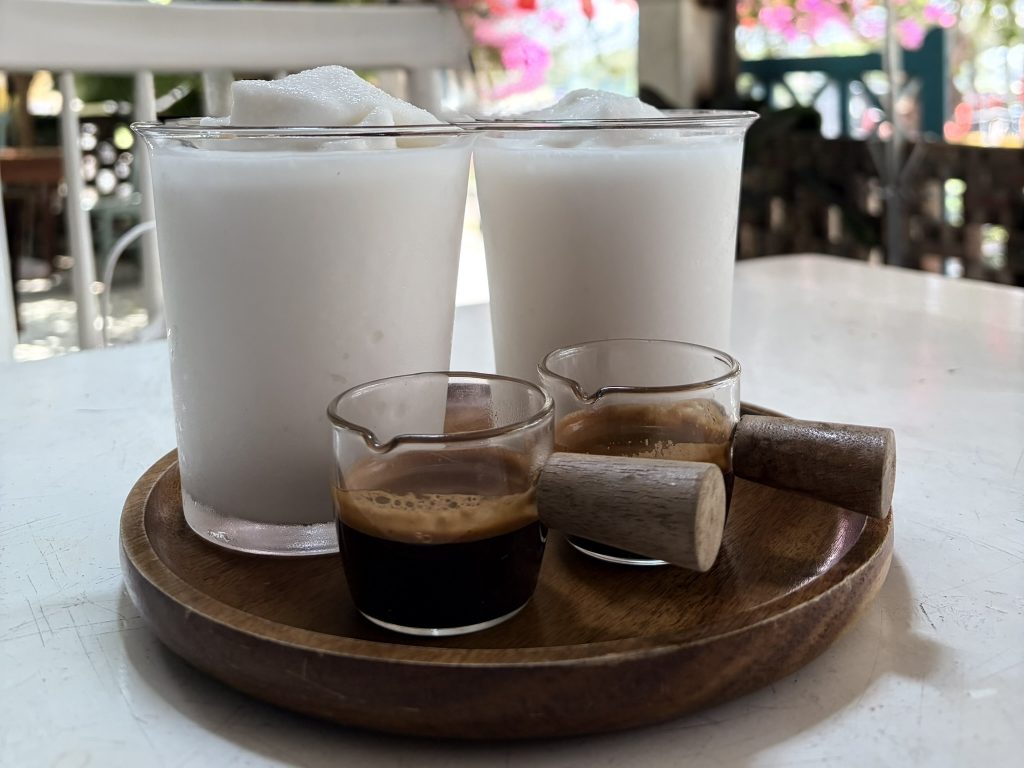
Hanoi is particularly good for dishes such as pho, bun cha, banh cuon, cha ca, and egg coffee, and it’s one of the best places to eat your way around the region.
If you don’t eat meat, you won’t be stuck for options either, particularly in Hanoi, where vegetarian restaurants and meat-free versions of Vietnamese dishes are easy to find.
In rural areas, you’ll find fewer choices, but homestay meals are often one of the highlights of travelling through the mountains.
As always, use your judgement with food and water. Stick to filtered or bottled water and be sensible about hygiene, particularly in remote areas.

My 14-Day Northern Vietnam Itinerary
If I were planning a first Northern Vietnam trip and wanted a good mixture of city, coast, mountains and countryside, this is the route I’d choose:
| Day | Where | Day | Where |
| 1 | Hanoi / arrival | 8 | Ha Giang Loop |
| 2 | Hanoi | 9 | Ha Giang → Sapa |
| 3 | Ha Long Bay cruise → Cat Ba | 10 | Sapa |
| 4 | Cat Ba | 11 | Sapa |
| 5 | Cat Ba → Ha Giang | 12 | Sapa → Ninh Binh |
| 6 | Ha Giang Loop | 13 | Ninh Binh |
| 7 | Ha Giang Loop | 14 | Ninh Binh → Hanoi / departure |
This is a fairly full two weeks, so I’d make sure to check the current transport connections before booking non-refundable onward travel.
For Day 3, I’d specifically look for a bay cruise or transfer arrangement that allows you to finish your Ha Long Bay experience and continue to Cat Ba, rather than assuming every day cruise connects directly with the island.
But I like this route because you get a bit of everything:
- Hanoi for food and culture
- Ha Long Bay for the classic karst landscape
- Cat Ba for island life
- Ha Giang for the big mountain adventure
- Sapa for trekking and rice terraces
- Ninh Binh for countryside and limestone scenery
If that’s the sort of trip you’re looking for, this would be my starting point.
What to See & Do in Northern Vietnam
Hanoi: Enjoy a Vietnamese coffee and get lost in the Old Quarter
Hanoi is where I’d start.
The obvious place to begin is the Old Quarter, where narrow streets, tiny restaurants, shops and an impressive number of motorbikes make simply walking around an experience.
Don’t just tick off the sights. Eat.
Try bun cha, pho and, yes, the famous egg coffee. I was sceptical about egg coffee before trying it, but it’s one of those Vietnamese specialities I’d now tell anyone visiting Hanoi to seek out.
I’d also make time for:
- Hoan Kiem Lake
- Temple of Literature
- Hoa Lo Prison
- Imperial Citadel of Thang Long
- Ho Chi Minh complex
- A water puppet show
- A rooftop bar
- Hanoi’s street-food scene
If you have time, head over to West Lake for a completely different side of the city.
I’d allow 2 days.
💡 Roamwise Tip
Don’t fill every minute of Hanoi with sightseeing. Give yourself a few hours to wander without a plan. Some of the best food and cafés are found when you’re not following an itinerary.
Ha Long Bay & Cat Ba: Take a cruise, then stay on the island
Ha Long Bay is famous for its dramatic islands rising from the water, and a boat trip is the obvious way to experience it.
I’d choose an overnight cruise if your budget allows, but a day cruise can work if you’re short on time.
For this itinerary, I’d take a Ha Long Bay day cruise and then continue to Cat Ba rather than returning immediately to Hanoi.
That gives you time to experience Cat Ba Island too.
On Cat Ba, I’d:
- Explore Cat Ba National Park
- Kayak around Lan Ha Bay
- Visit the beaches
- Take a boat trip to see Viet Hai Village
- Spend some time simply exploring the island
Lan Ha Bay is particularly appealing if you’d like the limestone scenery without sticking entirely to the busiest Ha Long Bay routes.
I’d allow 2 days, including the bay trip.
Ha Giang: Take your time on the Loop
If I had to choose one experience that really defines Northern Vietnam for me, it would be the Ha Giang Loop.
This is the trip I’d choose if you’re more interested in mountains and adventure than ticking off traditional tourist attractions.
The route takes you through some of the most spectacular landscapes in Vietnam, with highlights including Ma Pi Leng Pass, the Nho Que River, Dong Van and Meo Vac.
I’d allow four days if you can. Three days is possible, but I think it feels rushed. Four gives you more time to actually enjoy the stops rather than spending the whole trip thinking about the next one.
Self-Riding or Easy Rider?
This is one decision I’d take seriously.
If you’re an experienced rider with the correct licence and insurance, self-riding gives you the most independence.
If you’re not, go with an Easy Rider.
You can sit on the back, enjoy the scenery, and let someone who knows the roads concentrate on the corners.
There is absolutely no prize for proving you can ride the Loop yourself.
I’d allow 4 days.
💡 Roamwise Tip
Don’t judge the Ha Giang Loop solely by its famous viewpoints. Some of my favourite parts of the experience are the smaller roads, villages, and landscapes between the headline stops.
Sapa: Trek the rice terraces
Sapa is probably the most famous trekking destination in Northern Vietnam. And while the town itself can feel busy, the surrounding landscape is spectacular.
I’d use Sapa as a base rather than spending your entire visit in the centre.
One of the classic options is trekking through the Muong Hoa Valley, including villages such as Lao Chai and Ta Van.
I’d recommend using a local guide if you’re doing a longer trek. They can choose a route suited to your fitness level, explain the area and make it much easier to explore beyond the obvious paths.
A homestay is another experience I’d consider, particularly if you want to spend more time outside Sapa town.
And then there’s Fansipan, often called the “Roof of Indochina”, because it is the highest mountain in Vietnam, at 3,143 metres.
You can trek to the summit, which takes two days, or take the cable car. As someone who took the cable car, there’s no judgement from me on how you choose to summit.
I’d allow 2–3 days.
💡 Roamwise Tip
If trekking is your main reason for visiting Sapa, prioritise the valleys and villages over spending too much time in the town itself.
Ninh Binh: Take a Trang An boat trip
Ninh Binh is one of the easiest destinations to add to a Northern Vietnam itinerary, and I’d absolutely include it.
The landscape is the main attraction: towering limestone mountains, rivers, rice fields, and countryside.
The Trang An boat trip is the obvious highlight. You’ll travel through caves and waterways surrounded by karst mountains, with temples and other stops along the route.
I’d also climb Hang Mua for the view.
It is a steep climb, but the panorama over the surrounding landscape makes the sweaty walk worthwhile.
If you have time, hire a bicycle and explore the countryside rather than jumping straight back onto a bus.
I’d allow 1–2 days.
💡 Roamwise Tip
Stay around Tam Coc or Trang An, not Ninh Binh city. It puts you much closer to the scenery and makes cycling around the area much easier.

Want a More Adventurous Northern Vietnam Route?
The itinerary above is the route I’d recommend to someone visiting Northern Vietnam for the first time.
But it isn’t the route I’d choose for everyone.
If you’ve already visited Sapa and Ninh Binh, or you’d rather spend your holiday riding mountain roads and exploring quieter areas, I’d take a completely different route.
My Alternative
Hanoi → Mai Chau → Moc Chau or Ta Xua → Ha Giang → Cao Bang → Hanoi → Cat Ba → Ninh Binh → Hanoi
This route is less about ticking off the most famous attractions and more about the journey itself.
I’d particularly consider it if you:
- Love road trips
- Want more mountain scenery
- Have already done the classic northern route
- Prefer quieter destinations
- Want to spend more time in rural areas
Alternative Route Destinations
Mai Chau: An Easy Introduction to Rural Northern Vietnam
Mai Chau is a good option if you want rice fields, villages, and countryside without immediately committing to a multi-day mountain adventure.
The valley is surrounded by green hills and is well suited to cycling, walking, and homestays.
I’d use it as a gentle start to a longer northwest road trip.
I’d allow 1–2 days.
Moc Chau: Tea Plantations and Seasonal Landscapes
Moc Chau offers something quite different from Ha Giang and Sapa.
The area is known for tea plantations, farms, flowers, and strawberries, as well as a cooler climate, making it particularly interesting if you enjoy travelling according to the seasons.
I’d include it if you’re taking your time through the northwest rather than making a special trip there on a short first visit.
I’d allow 1–2 days.
Ta Xua: Go for the Mountain Views
Ta Xua is another option for travellers who want to venture away from the most established Northern Vietnam routes.
It’s particularly known for its dramatic mountain landscapes and cloud formations, and it works well as part of a northwest motorbike itinerary.
I’d research the weather carefully before committing to it, though. Cloudy mountain destinations are slightly less impressive when the mountain is completely invisible.
I’d allow 1–2 days.
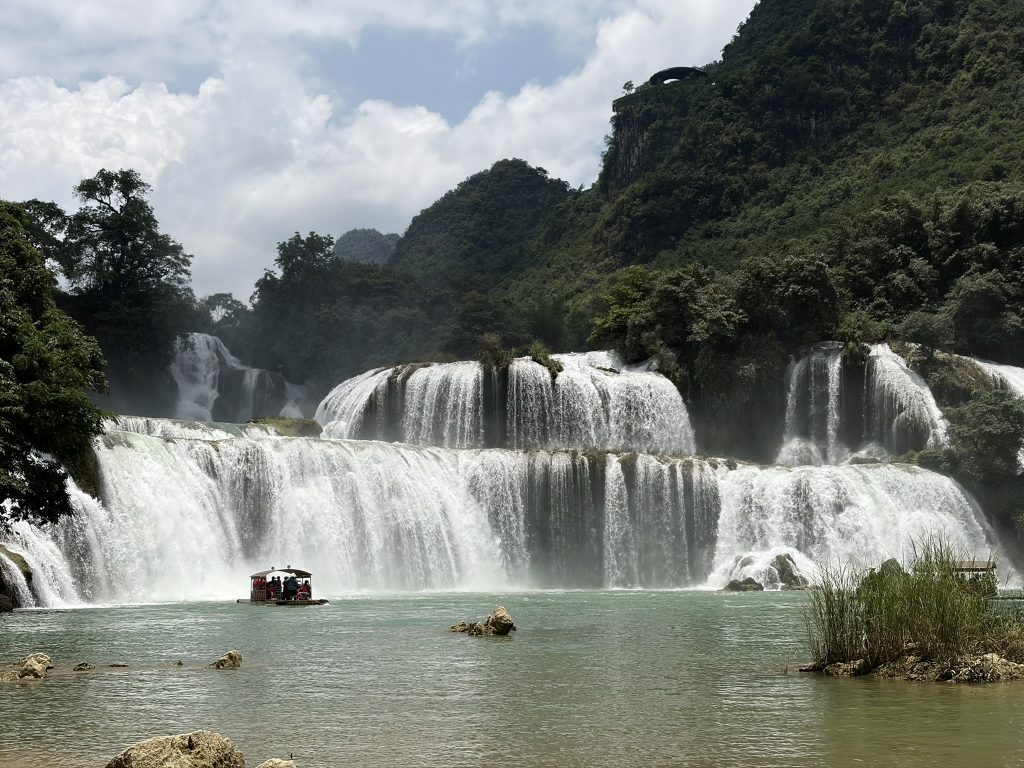
Cao Bang: Discover Ban Gioc Waterfall
Cao Bang is where I’d head if I wanted to extend a Northern Vietnam mountain trip beyond Ha Giang.
The main attraction is Ban Gioc Waterfall, but the province is worth more than a quick waterfall stop. I’d also visit Nguom Ngao Cave and God Eye Mountain.
Cao Bang works particularly well as an extension to the Ha Giang Loop because, rather than completing the usual loop back to Ha Giang City, you can continue east from Meo Vac towards Bao Lac and into Cao Bang.
This gives you a chance to experience two of Northern Vietnam’s most spectacular mountain regions as one longer road trip.
I’d allow 2–3 days for the Cao Bang section, depending on how much you want to see.
💡 Roamwise Tip
If you’re travelling overland from Ha Giang, I’d treat the journey as part of the adventure rather than simply a transfer.
If You Have Even More Time
If you’ve got three weeks or more, I’d start looking beyond these two routes.
Hoang Su Phi
One of my first choices if rice terraces are your priority and you’d like somewhere quieter than Sapa.
Ba Be
Ideal for slowing things down with a lake, forest, boat trips, and welcoming homestays.
Mu Cang Chai
One of the best places to look at if you’re travelling specifically for spectacular rice terraces, particularly around the flooded and harvest seasons.
September and October are generally the key months for golden terraces here.
Pu Luong
A good choice for trekking and rural scenery without travelling as far north as Ha Giang.
💡 Roamwise Tip
You don’t need to add all four. In fact, please don’t. Pick the one that actually interests you.
Which Northern Vietnam route should you choose?
| Route | Best for |
| Classic route | First-time visitors who want a bit of everything |
| Mountain route | Road trips, mountains, and quieter destinations |
| Northwest route | Rice terraces, trekking, and rural landscapes |
| Ha Giang + Cao Bang | Adventure and dramatic scenery |
| Hanoi + Ninh Binh + Bay | Short trips and easier travel |
If you only have a week, I wouldn’t try to recreate the 14-day itinerary. I’d simplify it.
If you have three weeks, don’t just add more destinations. Slow down the route you’ve already chosen.
Northern Vietnam Travel Guide FAQs
Is Northern Vietnam worth visiting?
Yes. I’d particularly recommend it if you enjoy mountains, food, trekking, road trips, friendly locals, and rural landscapes.
How many days do you need in Northern Vietnam?
I’d allow at least 10 days, but 14 days gives you enough time to combine several different areas without rushing constantly.
Is Sapa or Ha Giang better?
Sapa is better for trekking and rice terraces, with easier access and more established tourism. Ha Giang is better for mountain passes and motorbike trips.
Can you travel Northern Vietnam without a motorbike?
Absolutely. Buses, trains, private cars, organised tours, and Easy Riders make the region accessible without riding yourself.
When is the best time to visit Northern Vietnam?
For a general trip, I’d look at March–April or September–November. For rice terraces, September–October is particularly popular, while May–June can offer beautiful flooded terraces.
Is Northern Vietnam suitable for first-time visitors?
Yes. Hanoi, Ninh Binh, Sapa, and the bay are relatively straightforward to combine. The more remote mountain regions require more planning but are very rewarding if you have the time.
Can you do the Ha Giang Loop without riding yourself?
Yes. An Easy Rider is a popular option if you want to experience the Loop without being responsible for navigating the motorbike yourself.
Food For Thought…
I don’t think there is one perfect Northern Vietnam itinerary.
The route I’d recommend to a first-time visitor isn’t necessarily the route I’d choose for myself.
That’s why I think the best way to plan Northern Vietnam is to start with what you actually want from the trip.
If you want the classic combination of city, coast, mountains, and countryside, follow the first route.
If you want winding mountain roads, smaller destinations, and fewer familiar stops, take the alternative.
And if you’re lucky enough to have three weeks or more, slow down and explore beyond the usual Northern Vietnam itinerary.
You don’t need to see everything. You just need to choose the places you actually want to see—and give yourself enough time to enjoy them.
Roamwise by Leaf — Practical guides | Forgotten stories | Meaningful journeys