Tag: North Vietnam

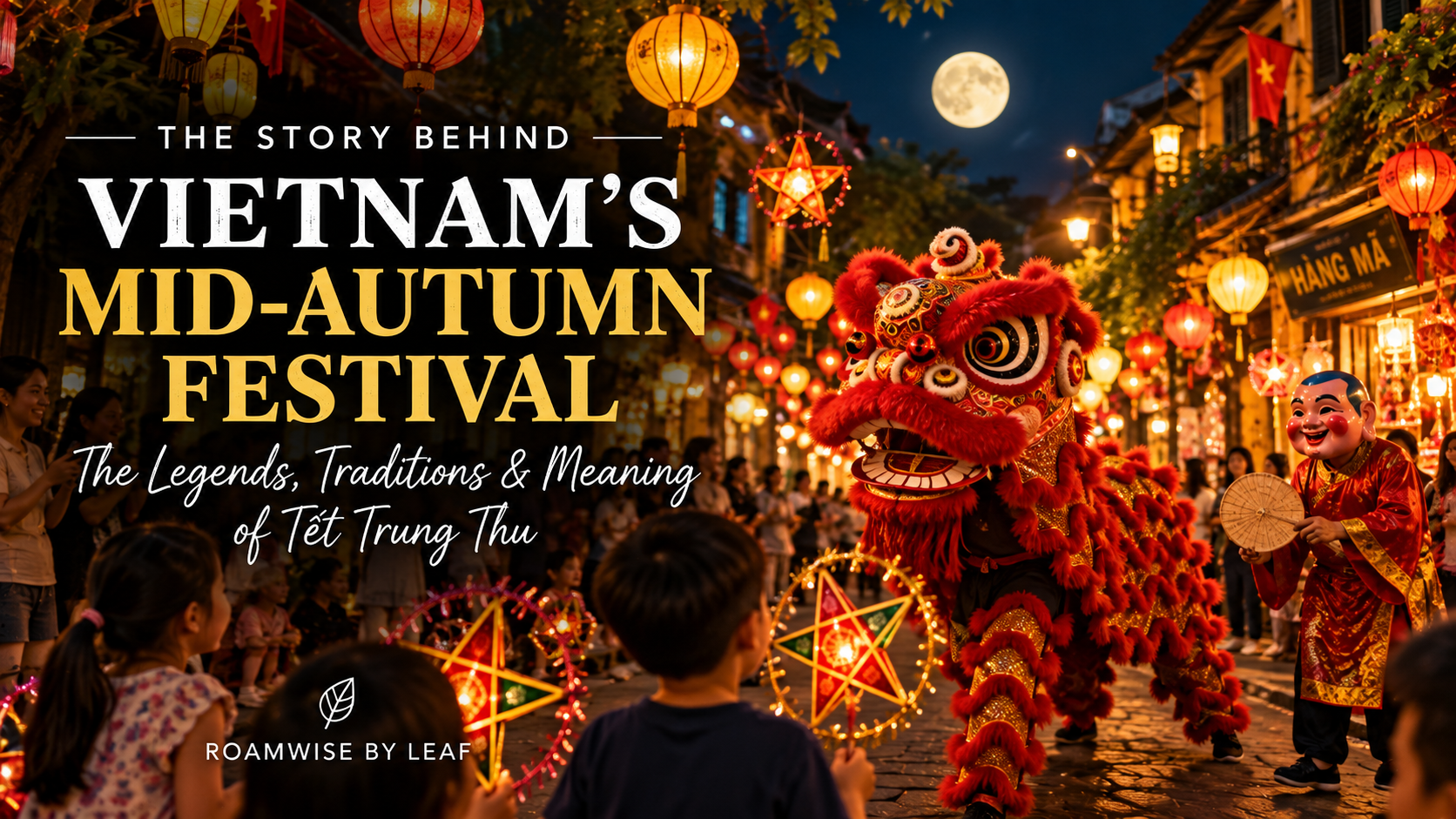
  • Vietnam’s Mid-Autumn Festival: The Legends, Traditions & Meaning of Tết Trung Thu

    Vietnam’s Mid-Autumn Festival: The Legends, Traditions & Meaning of Tết Trung Thu

    I first got to know Vietnam’s Mid-Autumn Festival through the fun bits: lion dances in Hanoi, evenings celebrating with friends, and mooncakes that I was very happy to eat without asking too many questions.

    But I eventually realised I didn’t actually know what I was celebrating.

    Why the lanterns? Why the lions? Why mooncakes? And who exactly is Chú Cuội, the man apparently living on the moon beneath a banyan tree?

    The more I looked into Tết Trung Thu, the more interesting it became. What looks, at first, like a colourful festival for children is tied to much older stories, traditions, the full moon, family, and the harvest.

    So this is me finally finding out what all those things I’ve been enjoying actually mean.

    Tết Trung Thu is Vietnam’s Mid-Autumn Festival, celebrated on the 15th day of the eighth lunar month.

    In 2026: 25 September
    What to look for: Star lanterns, lion dances, mooncakes, and plenty of children running around under the full moon
    Where: Celebrated throughout Vietnam

    So Why Is the Full Moon So Important in Mid-Autumn Festival?

    Tết Trung Thu is celebrated on the full moon of the eighth month of the lunar calendar, traditionally marking an important point in the agricultural year.

    For an agricultural society, the end of the growing season was a pretty significant moment. There was work to celebrate finishing, crops to be thankful for, and, importantly, a bit more time to spend together.

    The full moon also became associated with reunion and togetherness. There’s something rather fitting about a festival built around the roundest, brightest moon of the year becoming a time for families to gather, share food, and look at the moon together.

    And this is where I think the modern festival can be slightly misleading.

    These days, it’s very easy to look at Tết Trung Thu and think: children + lanterns + lion dances + mooncakes.

    But underneath all of that is a much older idea: the moon, the harvest, and people coming together.

    Which brings us to the slightly surprising question:

    How did a festival with such strong agricultural and family connections become known as Vietnam’s Children’s Festival?
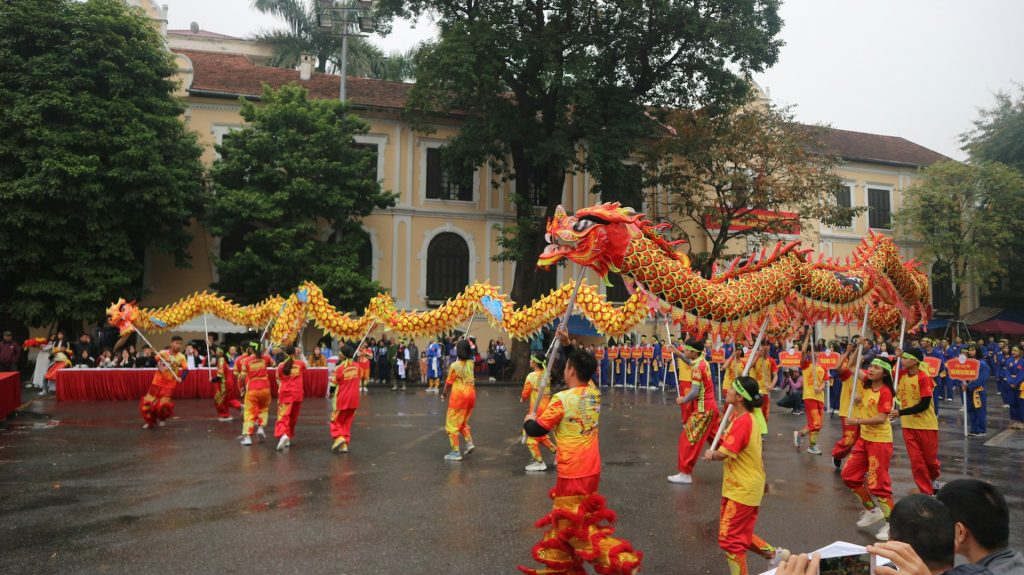
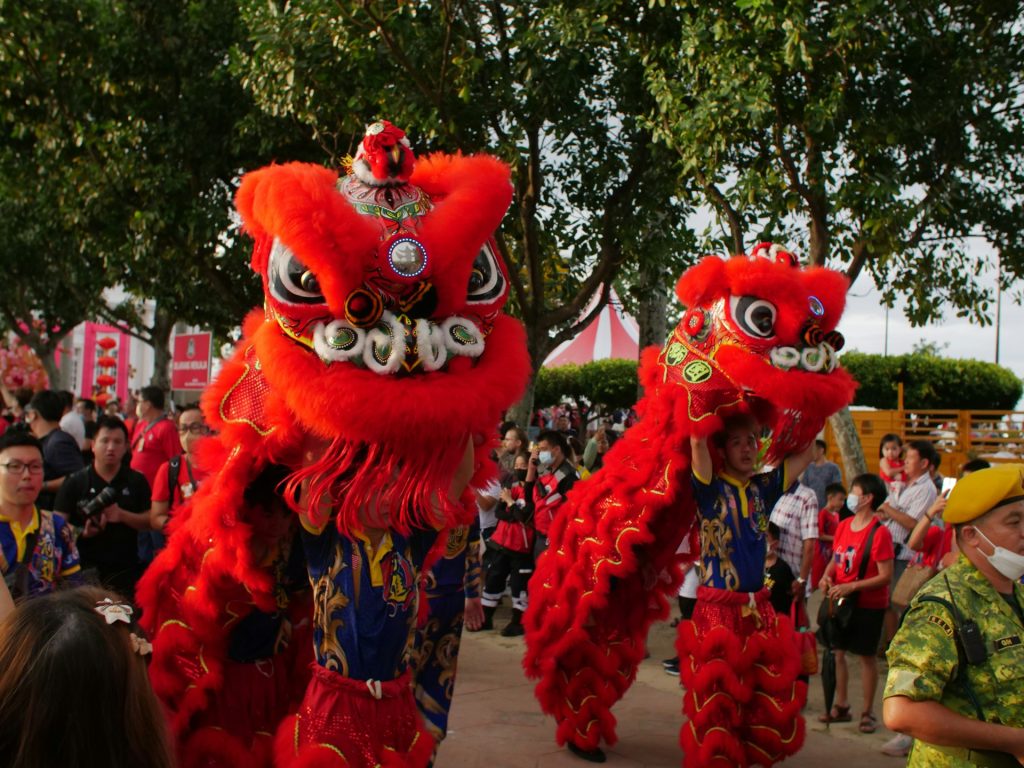
    A procession of lion dancers perform at a Vietnam Mid-Autumn Festival
    Lion dancers are one of the most distinctive features of Vietnam’s Mid-Autumn Festival

    When Did Tết Trung Thu Become a Children’s Festival?

    This is one of those things I initially assumed had always been the case. It hadn’t.

    Children are absolutely at the centre of modern Vietnamese Trung Thu. They’re given lanterns and toys, they lead lantern processions, and they’re the ones getting particularly excited when the lion dancers arrive.

    Historical accounts show that Mid-Autumn celebrations weren’t originally centred solely around children. At Thăng Long, for example, records from the Lý dynasty describe celebrations taking place both at court and among ordinary people, with feasting, ancestral worship, and public festivities.

    Over time, though, children became increasingly central to the festival. And honestly, once you see Trung Thu in Vietnam, it makes perfect sense.

    The festival gives children an entire night of things designed specifically for them: lanterns to carry, songs to sing, lion dances to chase after, sweets to eat, and an excuse to stay up late.

    But there is one character who makes the whole thing considerably more interesting.

    Because apparently, there is a man living on the moon.

    Who Is Vietnam’s Chú Cuội?

    If you’ve spent any time around Vietnamese children during Trung Thu, you’ve probably encountered Chú Cuội.

    Or, more accurately, you’ve probably encountered his face without having any idea who he was.

    According to Vietnamese legend, Cuội was a man who owned a magical banyan tree. The tree had extraordinary healing powers, but after a series of events, Cuội ended up clinging to it as it was pulled towards the moon. 

    He never made it back.

    So Vietnamese folklore says that if you look carefully at the moon, you can see Cuội sitting beneath his banyan tree.

    It’s a wonderfully odd explanation for the shapes you can see on the moon.

    And it also explains why the moon features so heavily in Vietnamese children’s stories around Trung Thu

    There are other Mid-Autumn moon legends across Asia, of course. If you’ve encountered the Chinese story of Chang’e, you might recognise some of the broader moon mythology, but the Vietnamese story is its own thing. 

    That’s one of the things I find most interesting about festivals like this. Traditions travel, stories evolve, and different cultures make them their own.

    Why Do Vietnamese Children Carry Star Lanterns?

    The đèn ông sao, or star lantern, is one of the most recognisable symbols of Trung Thu. But the tradition isn’t just about giving children something pretty to carry.

    The lanterns are carried through the streets during Trung Thu processions, often alongside the drums and lion dancers.

    The connection to Cuội explains why children carry lanterns. According to the legend, the lights help guide him back to Earth from the Moon. 

    So when children parade through the streets carrying their glowing đèn ông sao, they’re lighting Cuội’s way home

    Traditionally, đèn ông sao were made from bamboo frames covered in coloured paper or cellophane, with a candle inside. Today you’ll find plenty of modern versions, but the five-pointed star remains the classic.

    And once you know the story, those little lanterns feel like more than just decorations.
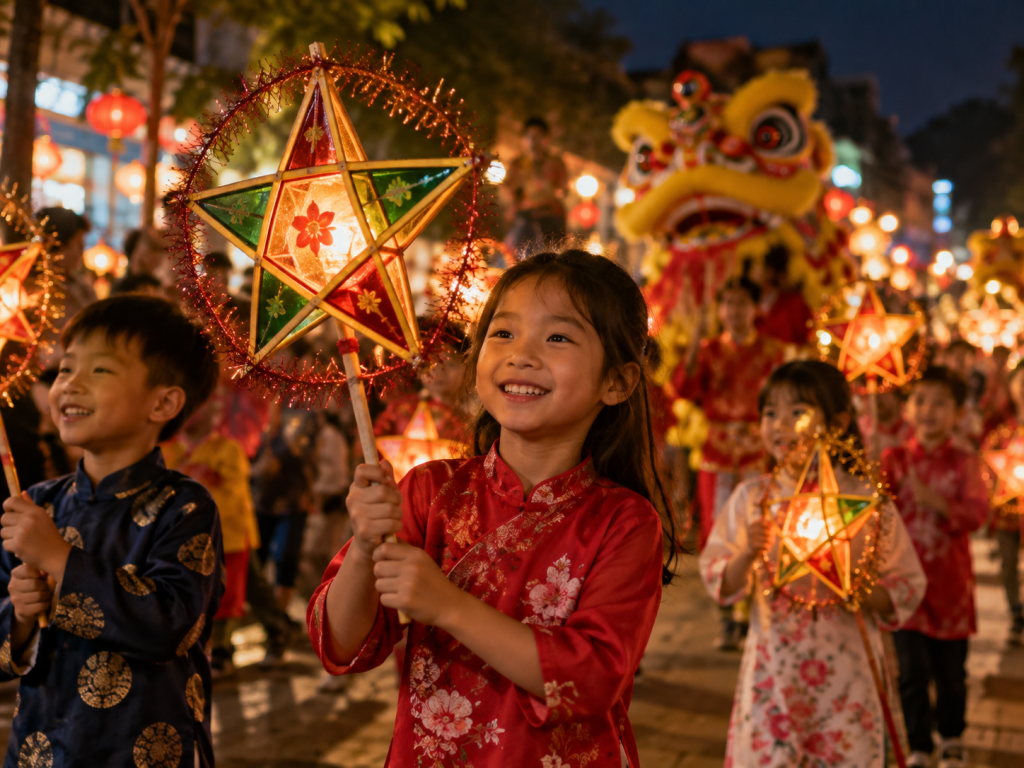
    Vietnamese children carrying star-shaped lanterns in the Mid-Autumn festival
    Traditionally, Vietnamese children carry star-shaped lanterns

    Why Are Lions Running Around Hanoi?

    The first time you experience múa lân during Trung Thu, subtlety is not really the word I’d use.

    You hear the drums before you see anything.

    Then suddenly there’s a lion dancing down the street, children are running after it, people are leaning out of doorways, and everyone is inevitably trying to get a better view.

    I’ve watched lion dances in Hanoi, and this is probably one of my favourite parts of experiencing Vietnam’s Mid-Autumn Festival.

    But what I didn’t initially realise was that the lion isn’t there purely for entertainment.

    Múa lân is associated with good fortune and prosperity, and lion dancing has become one of the defining performances of Vietnamese Mid-Autumn celebrations.

    You may also see Ông Địa, the cheerful, round-bellied character with the enormous grin and fan, accompanying the lion.

    He represents the Earth God, protector of land and homes, and is closely associated with the joyful, playful side of the performance.

    The whole thing is therefore doing several jobs at once:

    • It’s entertainment for children
    • It’s a communal celebration
    • And it’s also a performance associated with good luck and abundance

    Which makes the ridiculous amount of drumming slightly more understandable. Not much more… But slightly. 

    And Then There Are Mid-Autumn Mooncakes

    I will admit that I approached Vietnamese mooncakes from a position of considerably less intellectual curiosity.

    I saw them. I ate them. I enjoyed the sweet ones. That was pretty much the extent of my research. 

    Naturally, there’s more to them than that. 

    Mooncakes are traditionally eaten during Mid-Autumn celebrations across East and Southeast Asia, with Vietnam developing its own versions over time. 

    The two traditional types you’ll hear about most often are bánh nướng, the baked mooncake, and bánh dẻo, the soft, chewy version made with glutinous rice flour.

    Fillings range from mung bean and lotus seed to the savoury combinations found in traditional thập cẩm mooncakes. 

    Personally, I’m firmly on the sweet mooncake side. No hesitation. Plus, I’m vegetarian, and savoury mooncakes tend to have meat inside.

    But there’s a reason they’re associated with the festival beyond simply being the seasonal cake that appears in every bakery for several weeks. 

    Their round shape connects them with the full moon, while sharing mooncakes with family and friends reflects the wider idea of reunion and togetherness. They can also be placed on the family altar as offerings to ancestors.

    So yes, I was eating them because they were delicious. Apparently, I was also participating in several centuries of symbolism. I’ll take that.
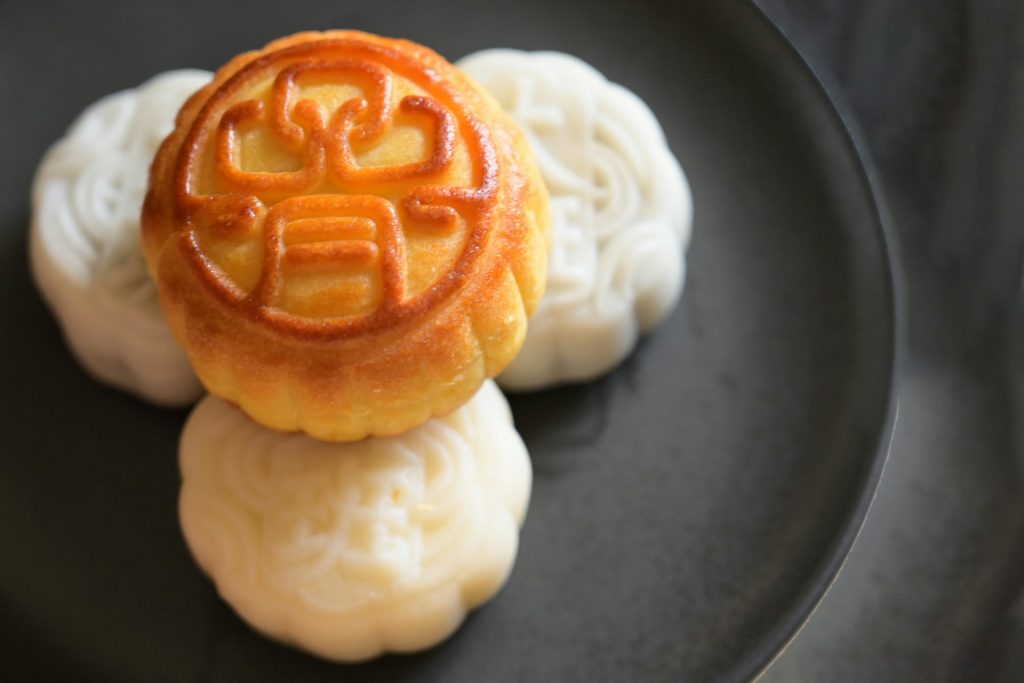
    brown and white Vietnamese mooncakes eaten during Mid-Autumn Festival on black round plate
    The baked mooncake is known as Bánh nướng, while bánh dẻo, is the soft, chewy mooncake made with glutinous rice flour

    So How Does Each Tradition Fit Together in Vietnam’s Mid-Autumn Festival?

    I’d initially been treating all of these things as separate parts of Trung Thu.

    The moon was the moon. The mooncakes were the mooncakes. The children had their lanterns, and the lions came with their drums.

    But the more I looked into the festival, the harder it became to separate them.

    The full moon connects back to the agricultural calendar. Mooncakes and fruit are shared with family and can be offered to ancestors. The lanterns and lion dances have become part of the children’s celebrations.

    It turns out I hadn’t been watching lots of different traditions. I was looking at one festival that had accumulated layers over time.

    What Does Vietnam’s Mid-Autumn Festival Look Like Today?

    The festival isn’t a show that happens in one particular tourist city. It’s celebrated throughout Vietnam, and much of what makes it enjoyable is simply seeing how it appears in everyday neighbourhoods.

    I’ve experienced it in Hanoi, where the combination of lanterns, mooncakes, friends, children, and sudden explosions of lion-dance drumming makes it difficult to miss. It’s also a good excuse to explore the city’s old streets, which have their own fascinating history and character.

    But you don’t need to be standing in a famous festival square to experience it.

    Where To See Vietnam’s Mid-Autumn Festival in 2026

    If you want to see Vietnam’s Mid-Autumn Festival in 2026, Tuyên Quang is one of the places I’d have on my list.

    The city’s Thành Tuyên Festival has become famous for enormous illuminated Mid-Autumn lantern models, turning the traditional lantern procession into something considerably more spectacular.

    In 2026, the festival runs from 19–25 September, with the main celebration on 20 September and a procession featuring 40 large Mid-Autumn lantern models

    It’s not necessarily the “best” place to experience Trung Thu, but it is a particularly striking example of how the traditional festival has evolved.

    The little star lantern is still there — it’s just been scaled up rather dramatically.

    Planning To Explore Northern Vietnam? My Northern Vietnam travel guide covers where to go and how to plan your trip.
    a couple of people that are standing in the street at Vietnam's Mid-Autumn festival

    I think the funny thing is that I haven’t actually changed how I celebrate Tết Trung Thu.

    I’ll still happily watch the lion dances. I’ll still go out with friends. And if someone offers me a sweet mooncake, I’m still saying yes.

    I just know a bit more about what I’m looking at now.

    The next time I see children carrying those little star lanterns through Hanoi, I’ll think about Cuội and his banyan tree on the moon. 

    When the drums start, I’ll know why the lion has turned up. And when the mooncakes appear, I’ll probably think about the centuries of tradition for approximately three seconds before eating one.

    Some things are better understood without becoming any less fun.

    And I think that’s what I like about learning the story behind a place or tradition. You don’t need to turn yourself into a historian to appreciate it.

    Sometimes you just need to know enough to look at something familiar and think:

    Oh. So that’s why.


    Roamwise by Leaf — Practical guides | Forgotten stories | Meaningful journeys
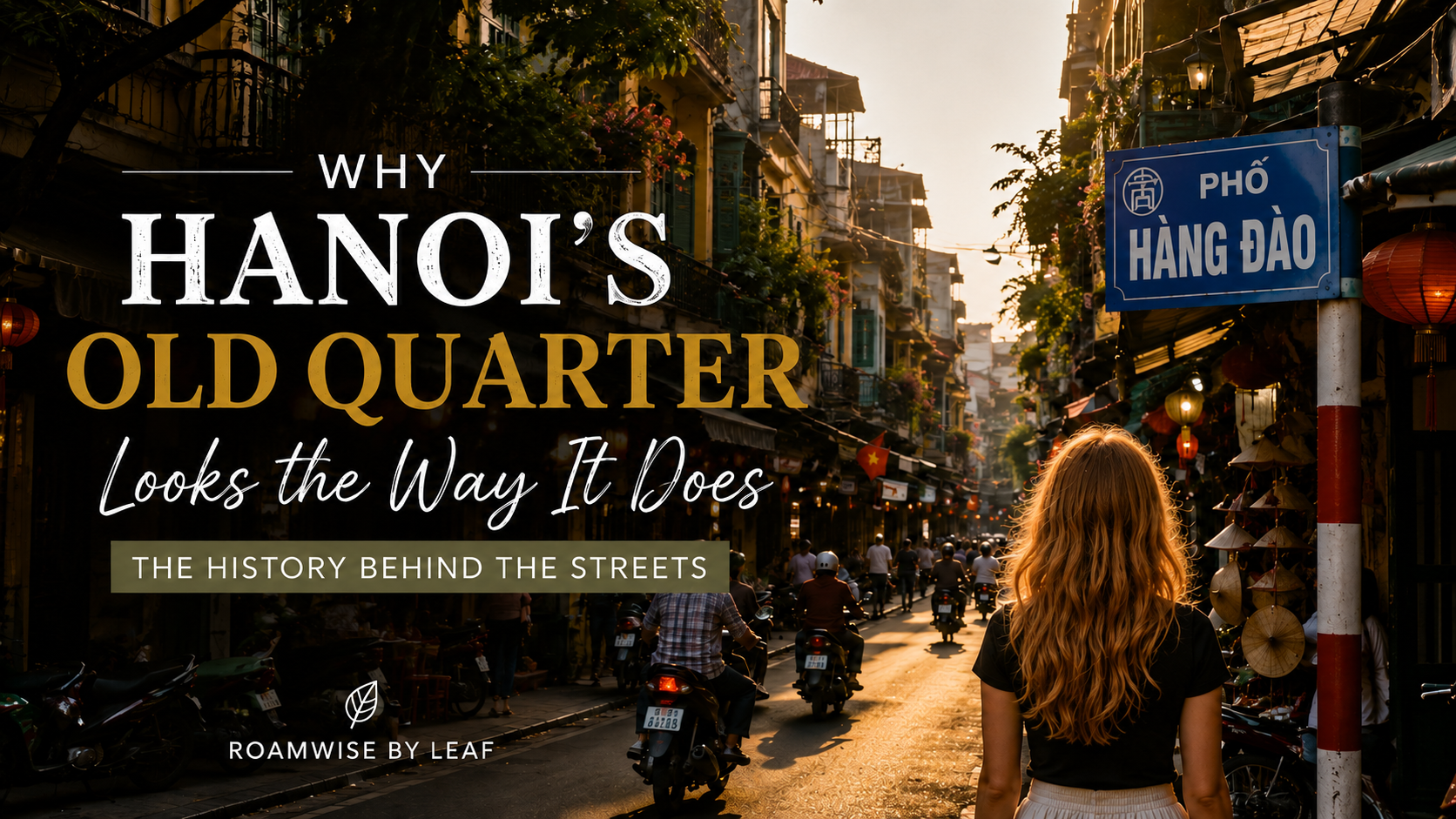
  • Why Does Hanoi Old Quarter Look the Way It Does?

    Why Does Hanoi Old Quarter Look the Way It Does?

    I’ve walked through Hanoi Old Quarter enough times that I’ve stopped noticing some of the things that make it look so unique.

    The ridiculously narrow streets. The buildings that look about three metres wide but seem to disappear backwards forever.  The fact that you can turn a corner and suddenly find yourself surrounded by shops selling essentially the same thing.

    For ages, I just accepted it as Hanoi being Hanoi.

    But once you actually stop and ask why the Old Quarter looks the way it does, there’s a surprisingly good explanation for most of it.

    The streets weren’t laid out randomly. The houses aren’t narrow because somebody was trying to make architecture unnecessarily difficult. And those slightly suspiciously specific street names aren’t just there to rage bait Google Maps.

    They’re clues to the way this part of Hanoi developed.

    The Old Quarter grew as a dense commercial district around the imperial capital of Thăng Long, with craftspeople and merchants settling together, specialising in particular trades and building their lives around them. 

    Later, taxation, French colonial development, war, economic reform, and modern tourism all added new layers.

    So this isn’t really a story about old buildings.

    It’s a story about why the city looks the way it does—and how much of Hanoi’s history you can still see simply by walking down the street.

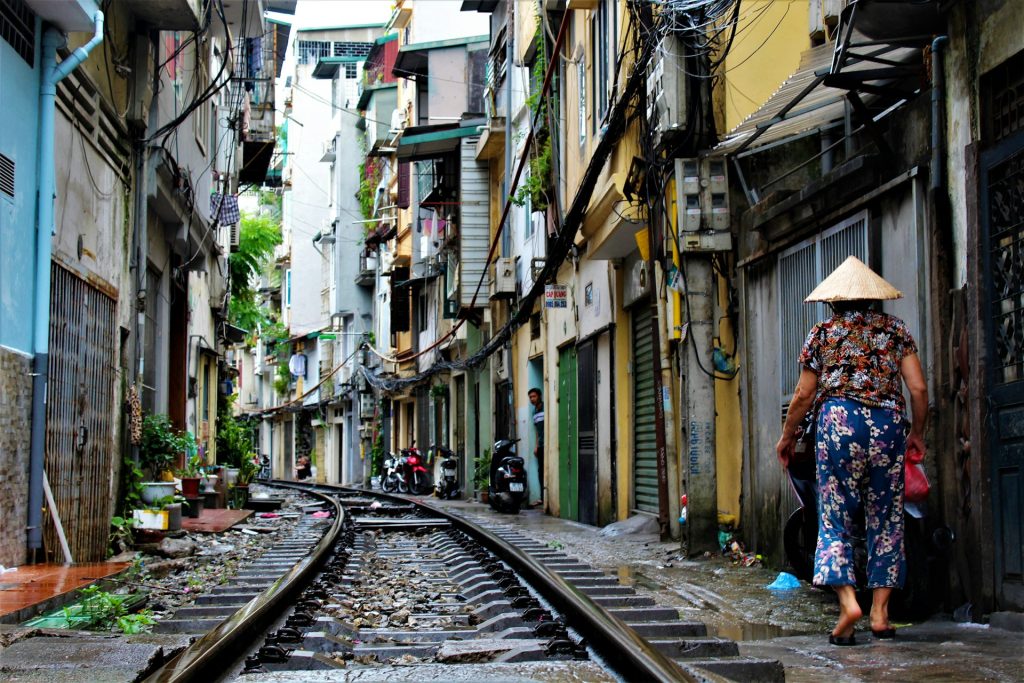
    person walking on railway side between buildings at daytime in Hanoi Old Quarter
    Hanoi Old Quarter grew as a dense commercial district around the imperial capital of Thăng Long

    History of Hanoi Old Quarter

    The area we now call Hanoi’s Old Quarter developed east of the Imperial Citadel of Thăng Long, after Emperor Lý Thái Tổ moved Vietnam’s capital from Hoa Lư to Đại La in 1010 and established the new capital of Thăng Long.

    That move matters because a capital needs more than a palace. People had to live there, goods had to be made and sold, craftspeople were needed, and merchants arrived. 

    Over the Lý and Trần dynasties, the area that is now the Old Quarter became increasingly densely settled as people from the surrounding plains moved into the growing city.

    The landscape was also very different from today’s dense city. The area contained lakes and wetlands, and waterways connected the neighbourhood with Hoàn Kiếm Lake and the Red River before those connections were gradually isolated towards the end of the 19th century.

    Among those arriving were craftspeople and merchants from villages around northern Vietnam, bringing their trades with them. They helped establish the Old Quarter as a dense commercial district where people lived and worked close to one another. 

    These communities also brought their religious traditions with them. Temples, communal houses, and shrines were built alongside the commercial areas, some associated with the founders or patron figures of particular crafts.

    The result wasn’t a neighbourhood that was designed all at once. It was a neighbourhood that grew around the people using it.

    That’s why understanding the history is so useful here. If you only look at the Old Quarter as a collection of old streets and buildings, it can seem chaotic.

    If you look at it as a medieval commercial district that kept evolving for centuries, the chaos starts to look rather more organised.

    Hanoi Old Quarter Streets: What Are They Named After?

    This is probably the easiest bit of Old Quarter history to spot for yourself.

    Look at the street names.

    Hàng Bạc. Hàng Mã. Hàng Gai. Hàng Quạt. Hàng Đồng.

    You’ll notice a pattern.

    Hàng refers to goods or merchandise, and many of these streets took their names from the products or trades associated with the communities that settled there.

    Hàng Bạc became associated with silver and silversmithing. Hàng Gai became associated with silk and textiles. Hàng Mã became associated with paper goods, including the paper offerings and decorations used for religious and ceremonial purposes.

    This is where the famous idea of Hanoi’s “36 Old Streets” comes from.

    36 Streets of Hanoi Old Quarter

    The Old Quarter developed around specialised craft and trading communities, with different streets becoming known for particular goods and services. 

    People who practised the same trade often lived and worked together, which helped create the clustering you can still notice today.

    There’s a slight complication, though.

    I wouldn’t treat “36 streets” as a literal instruction to go and count exactly 36 modern roads. The historical idea is more complicated than that, and the Old Quarter today contains more streets than the famous number suggests.

    The number isn’t really the interesting bit anyway. The specialisation is.

    Imagine arriving in a city and knowing exactly where to go because one street was associated with your particular trade.

    That’s the logic that shaped this part of Hanoi, and traces of it are still there.

    Some streets have retained much of their historic commercial identity. Others have changed, and some of the original trades have disappeared altogether while the old names remain.

    So when you’re walking through the Old Quarter, those signs aren’t just telling you where you are.

    They’re telling you, sometimes very literally, what people used to do here. And in some cases, what they’re still doing.

    It’s also why one street can still seem to sell an awful lot of the same thing.

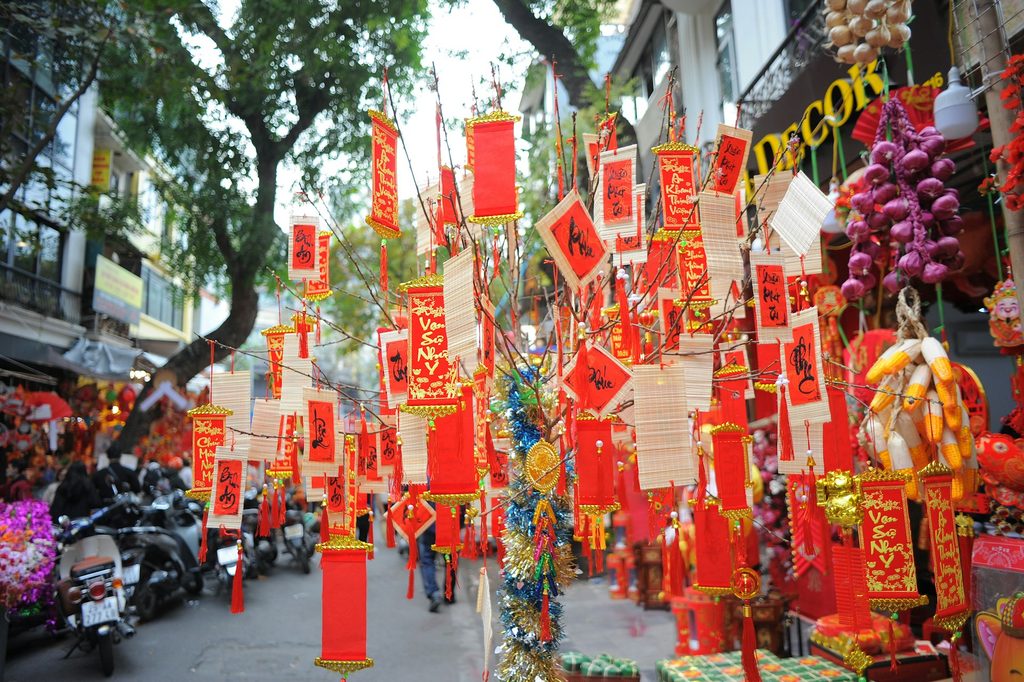
    A group of red and yellow decorations hanging from a tree on Hang Ma, Hanoi Old Quarter
    Hang Ma Street in Hanoi Old Quarter

    Hanoi Tube Houses: Why Are They So Narrow and Deep?

    Now we get to one of the Old Quarter’s most recognisable features—the houses. Or, more accurately, the slightly bizarre-looking proportions of the houses.

    You’ll often see buildings with extremely narrow façades that extend a surprisingly long way behind them. These are commonly known as tube houses, or nhà ống.

    Traditional examples could be only a few metres wide but much deeper, with rooms arranged sequentially from the street towards the back.

    So why build a house like that? One important part of the answer is taxation.

    One important explanation for the narrow form is historical taxation based on street frontage. If the amount of frontage affected the tax you paid, there was a pretty obvious incentive to keep your frontage narrow and use the space behind it instead.

    It’s an impressively practical response to a slightly annoying tax bill.

    But taxation isn’t the whole story.

    The Old Quarter had become a dense commercial area where land was valuable and buildings had to accommodate both business and domestic life.

    A narrow plot could still be extremely useful because the front of the building could function as a shop or workshop and the family could live further back.

    So instead of spreading sideways, the building grew backwards, which is why the phrase “tube house” is actually quite a useful description.

    From the street, you see the opening, the building continues behind it, and sometimes it continues much further than you’d expect.

    What’s Inside a Hanoi Tube House?

    This is the part you can’t really understand from the pavement.

    Traditional Old Quarter tube houses were often arranged as a sequence of rooms and courtyards running from front to back.

    You could have a shop or entrance area at the front, followed by an internal courtyard, family living areas, another courtyard, a kitchen, and rear service spaces.

    The courtyards were particularly useful for providing light and ventilation to a building that otherwise relied on the light and air from a small shop front.

    The result was a long, layered building rather than one large open house.

    The Mã Mây Heritage House is useful for understanding this arrangement because its restored interior preserves the traditional sequence of rooms and courtyards.

    And once you understand what’s happening inside, the façades outside make much more sense.

    You stop looking at a narrow building and thinking: “That’s a very small house.” Instead, you start wondering: “How far back does that actually go?”

    It’s also worth remembering that the Old Quarter’s age and the age of its individual buildings aren’t the same thing. 

    The tube-house form is rooted in the area’s older architectural traditions, but the buildings you see today have been altered, rebuilt, extended, and replaced over generations.

    So a tall, narrow building might preserve the shape of an older way of building without being an untouched historic house.

    Hanoi Old Quarter Architecture: What Are You Actually Looking At? 

    The Old Quarter’s architecture isn’t one single style, which is another reason why it can be confusing.

    There are traditional Vietnamese shophouses and tube houses, temples and communal buildings, and later buildings where different architectural traditions have been layered together.

    The historic commercial houses often had sloping tile roofs and a shop entrance facing the street. Earlier houses were often simpler and had thatched roofs. 

    Then there are the religious buildings.

    Before 1954, the area reportedly contained more than 100 religious structures, including temples, pagodas, communal houses, and shrines.

    Most haven’t survived. But some have.

    Bach Ma Temple, Mã Mây, and Kim Cổ are reminders that the Old Quarter wasn’t simply a collection of shops. 

    These were communities with their own religious and social institutions, and many craft streets once had temples dedicated to the mythical founders of their trades. 

    Some communal temples even had commercial activity on the ground floor, further blurring the line between the neighbourhood’s spiritual and commercial life. 

    The Quan Chưởng Gate is another surviving piece of the older city. Several gates once stood around the area, but it is the only one that remains today.

    And then, layered over all of this, you get French influence. Which brings us to one of Hanoi’s most useful comparisons.

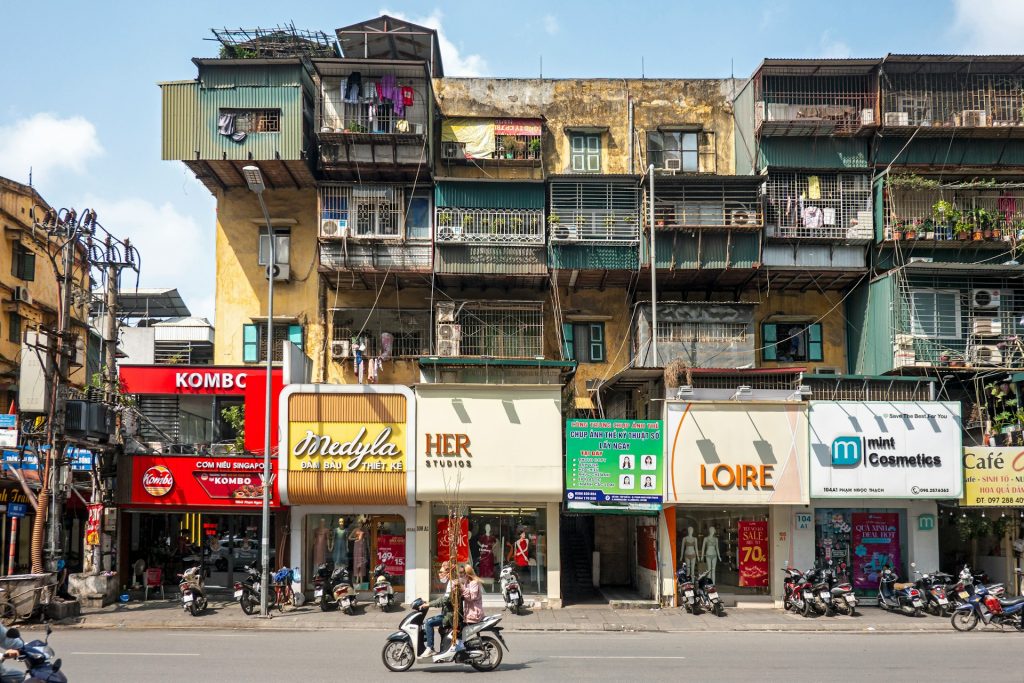
    A group of people riding motorcycles down a street with tube houses behind in the Old Quarter
    Tube Houses in Hanoi Old Quarter

    Why Does the Old Quarter Look So Different from the French Quarter?

    Old Quarter

    Walk from the Old Quarter towards the French Quarter and the difference can feel almost ridiculous.

    One minute you’re navigating narrow streets between tightly packed buildings, then the roads widen and become tree-lined, and the buildings have grand colonial façades.

    It can feel like someone has changed the city settings halfway through your walk. But the difference reflects two very different periods of urban development.

    The Old Quarter had developed over centuries as a dense commercial area, with streets and plots shaped by existing communities, trade, and settlement.

    During the French colonial period, Hanoi was partially remodelled.

    The French introduced infrastructure including water, sewage, and electricity. A tramway was constructed through the Old Quarter, and two smaller markets were demolished to make way for Đồng Xuân Market.

    French Quarter

    At the same time, the French Quarter developed south of Hoàn Kiếm Lake with much broader streets and larger colonial buildings.

    French and Indian businessmen also established themselves in the Old Quarter. So French influence wasn’t confined neatly to one side of the city. It also made its way into the Old Quarter itself.

    Some traditional houses gained French-inspired façades, balconies, shutters, and decorative elements. That’s where the hybrid French-Vietnamese architecture comes in:

    • A narrow Vietnamese tube-house structure might suddenly have European decorative details attached to it.
    • A traditional roof might sit above a façade influenced by French design.
    • And modern shopfronts can sit underneath older upper floors.

    This is one reason I wouldn’t describe the Old Quarter’s architecture as simply “traditional Vietnamese”. It’s more like layer upon layer of Hanoi’s history occupying the same small amount of space.

    Differences: Old Quarter vs French Quarter

    If you want to understand the difference between the Old Quarter and French Quarter, you don’t actually need to know much architectural terminology.

    Just look at the road:

    • The Old Quarter’s streets are narrow because of how the district developed.
    • The French Quarter’s broad avenues reflect a different approach to urban planning.

    The city itself is showing you the difference.

    What Happened to Hanoi Old Quarter?

    This is where the idea of Hanoi Old Quarter as a perfectly preserved historic district falls apart a little. And that’s probably worth knowing before you visit.

    The Old Quarter is ancient as an urban district, but it has never been frozen in time. The streets, trades, buildings, and communities have all changed over the centuries, so the neighbourhood you see today is the result of many different periods layered on top of one another.

    Many of the traditional commercial houses visible today date from the 18th and 19th centuries, rather than from the founding of Thăng Long in 1010. Earlier buildings were rebuilt or replaced, while later generations continued to modify the houses around them.

    During the French colonial period, parts of the Old Quarter were rebuilt and modernised. Water, sewage, and electricity infrastructure were introduced, a tramway was constructed through the quarter, and two smaller markets were demolished to make way for Đồng Xuân Market.

    The 20th century brought further political and economic upheaval.

    After 1954, Hanoi became the capital of independent North Vietnam. During the Vietnam War, the Old Quarter survived bombing, although some buildings were damaged, including during the 1972 Christmas Bombing.

    After reunification in 1976, Hanoi became the capital of unified Vietnam. The following period of economic difficulty contributed to the deterioration of many old buildings.

    Then came Đổi Mới in 1986.

    Economic reforms opened up private enterprise and helped bring increased commercial activity and foreign tourism. The Old Quarter changed rapidly. More businesses arrived. Tourism grew. Buildings were renovated, extended, and rebuilt.

    And while heritage preservation efforts also increased, many traditional houses have continued to disappear.

    Hanoi Old Quarter Today

    Because of the changes to the Old Quarter over the years, when you walk through it today, you’re seeing several different things at once:

    • Some buildings are historic.
    • Some preserve historic layouts.
    • Some have been heavily altered.
    • Some are much newer.
    • Some traditional trades survive.
    • Others survive mainly in street names.
    • And some of the religious buildings that once formed an important part of the neighbourhood have disappeared completely.

    The Old Quarter isn’t a time capsule.

    It’s a neighbourhood that has spent centuries adapting to whatever Hanoi needed next.

    How to Read Hanoi Old Quarter When You Walk

    This is the part I’d actually use when you’re there.

    You don’t need a checklist or to visit every historic building, and you definitely don’t need to know all of Hanoi’s dynasties before breakfast.

    Instead, try reading the neighbourhood itself.

    Start With the Street Names

    When you see Hàng, look at the word that follows it.

    • What does it mean?
    • What was the street associated with?
    • Does that trade still exist there?

    You might start noticing that the neighbourhood’s commercial history is quite literally written on the signs. 

    Look Above the Shopfronts

    The shops at street level are usually what grab your attention. But try looking up instead:

    • How narrow is the building?
    • Does it look as though it extends backwards?
    • Can you spot French shutters, balconies, decorative details or different layers of construction?

    The upper floors can tell you things the shopfront can’t.

    Look Beyond the Façade

    If you pass a particularly narrow house, try to work out what is behind it.

    You may only see a tiny entrance from the street, but the traditional building form could extend much further back.

    If you visit Mã Mây Heritage House, pay particular attention to the courtyards and the sequence of rooms. Then look at the next tube house you pass.

    It suddenly becomes much easier to imagine what’s going on behind the façade.

    Notice the Temples

    The Old Quarter’s religious buildings are easy to overlook because they’re surrounded by commercial life. But that’s precisely why they’re worth noticing.

    The craft communities didn’t just bring their trades into Hanoi; they brought their beliefs and traditions too.

    A temple tucked between shops is therefore part of the same story as the trade streets.

    Then Walk Towards the French Quarter

    This is the easiest comparison of all.

    Pay attention to space, road width, building width, plot size, the amount of open space, and the relationship between buildings and streets.

    You can physically walk from one urban system into another. And suddenly the question “Why does Hanoi look like this?” becomes much easier to answer.

    If you’re using Hanoi as a starting point for exploring the region, I’ve also put together a Northern Vietnam guide covering more of what there is to see beyond the capital.

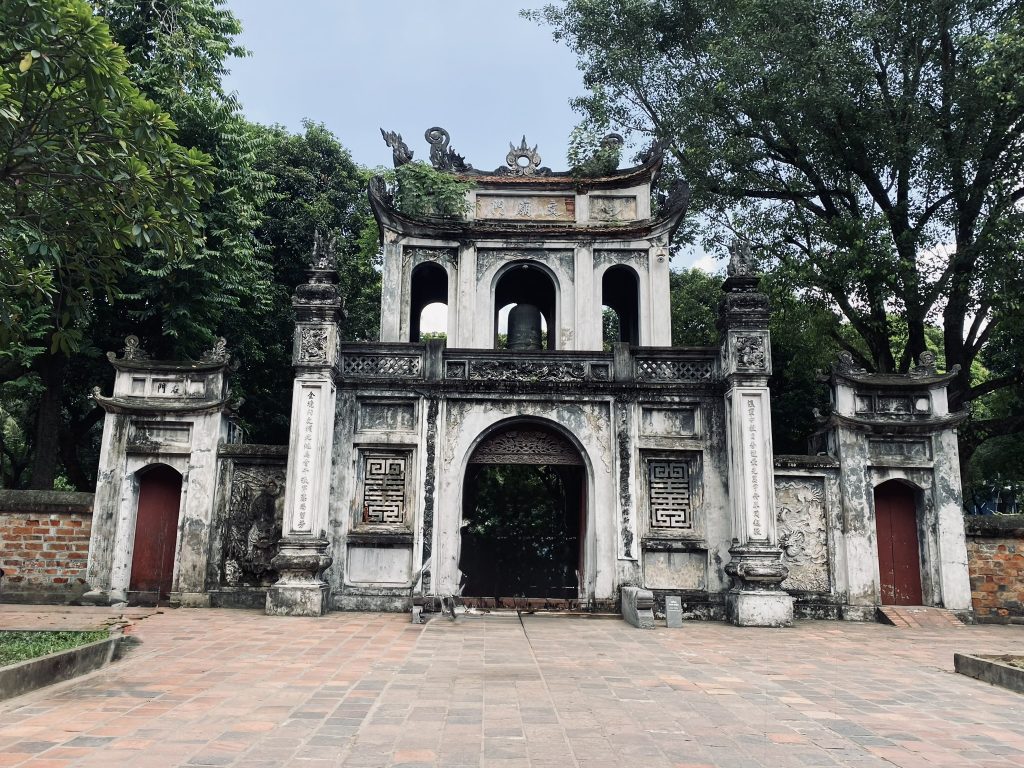
    The front of a temple stands tall with trees surrounding in the heart of the Old Quarter
    The Temple of Literature in Hanoi Old Quarter

    The thing I like about learning the history of a place is that it doesn’t necessarily make the place feel less chaotic.

    Hanoi’s Old Quarter is still busy, the streets are still narrow, and there are still moments when you have absolutely no idea how three motorbikes, a delivery truck, and a pedestrian are all going to fit through the same gap.

    But now I notice different things.

    I notice the street names, I look up at the buildings, I wonder how far the narrow houses extend behind their façades, I notice when a traditional building has picked up French details somewhere along the way.

    And when I walk towards the French Quarter, I notice the change in space rather than simply thinking that the buildings look different.

    That’s what makes the Old Quarter interesting to me.

    You don’t need to find a hidden street or a secret attraction to experience a different side of Hanoi. Sometimes you just need to understand what you’re already looking at.

    And once you do, the Old Quarter stops looking like a collection of random narrow streets and starts looking a lot more like what it really is:

    centuries of Hanoi, still visible in the shape of the city.


    Roamwise by Leaf — Practical guides. Forgotten stories. Meaningful journeys.

  • Northern Vietnam Travel Guide: Where to Go & How to Plan Your Trip

    Northern Vietnam Travel Guide: Where to Go & How to Plan Your Trip

    Northern Vietnam is the part of the country I’d recommend if you want a trip that combines cities, incredible food, mountains, rice terraces, islands, and a bit of adventure.

    I’ve travelled around the north several times, and one thing I’ve learned is that there is far too much to fit into one trip. You could spend weeks exploring the mountains alone, never mind adding Hanoi, Ninh Binh, and the coast.

    So rather than giving you a list of every destination you could possibly visit, this Northern Vietnam travel guide focuses on the places and experiences I’d actually prioritise, plus two different ways I’d plan a 14-day trip.

    The first is the classic Northern Vietnam route, which gives first-time visitors a good mix of the region’s biggest highlights.

    The second is for travellers who’d rather spend more time on mountain roads and less time following the usual tourist route.

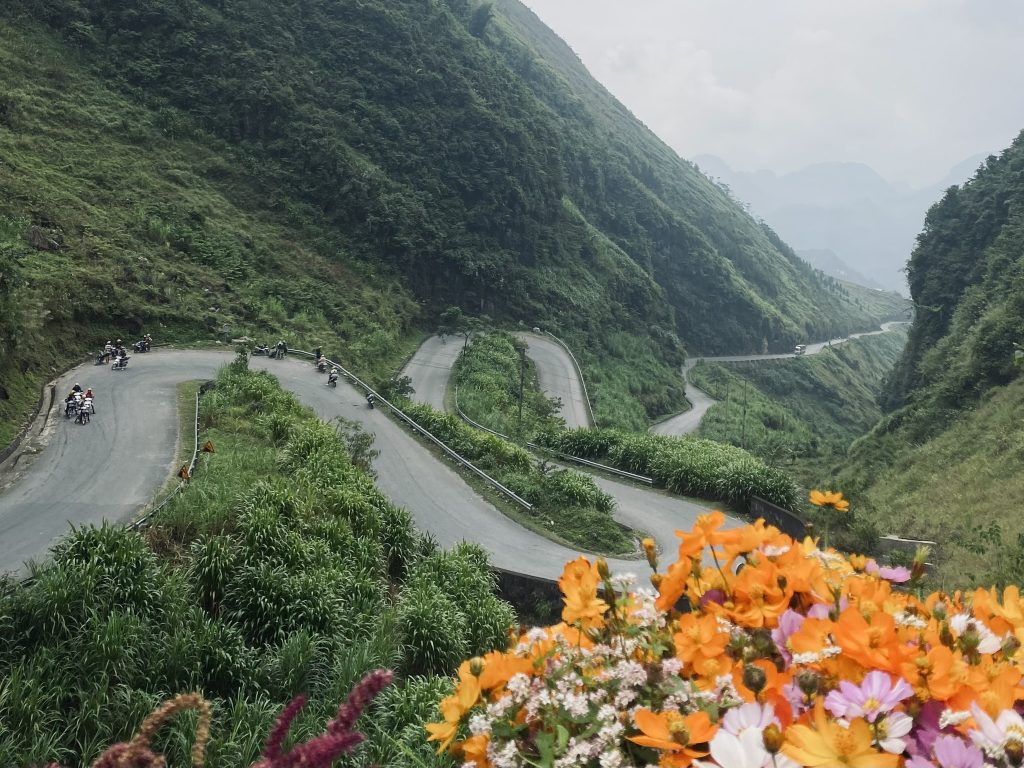
    A winding road weaves between green mountains in Northern Vietnam
    Visit Northern Vietnam for the Scenery

    The Practicalities of Travelling in Northern Vietnam 

    Getting There

    For most international travellers, Hanoi is the obvious gateway to Northern Vietnam.

    Noi Bai International Airport has regular international and domestic connections, making Hanoi an easy starting point for a northern itinerary

    If you’re already travelling around Vietnam, Hanoi is also well connected by domestic flights, trains, and buses.

    💡 Roamwise Tip

    If you’re starting your trip in Hanoi, I’d spend some time simply wandering the Old Quarter before rushing off to the next stop. The streets have their own fascinating history, and I’ve written more about why Hanoi’s Old Quarter looks the way it does.

    Getting Around

    Northern Vietnam is relatively easy to travel around, but don’t underestimate the distances once you head into the mountains.

    Sleeper buses and limousine vans are useful for popular routes between Hanoi and destinations such as Ninh Binh and Sapa. Trains are another option, particularly for reaching Lao Cai before continuing to Sapa.

    For mountain destinations such as Ha Giang and Cao Bang, private cars, organised tours, and local drivers can make life considerably easier.

    And then there’s the motorbike.

    If you’re an experienced rider with the appropriate licence and insurance, travelling by motorbike can be an incredible way to see Northern Vietnam. 

    If you’re not, don’t treat the Ha Giang Loop as your motorbike training course. An Easy Rider (local driver) gives you the experience without putting you in charge of navigating mountain roads.

    When Should You Visit Northern Vietnam?

    March–April and September–November are two of my favourite periods for a Northern Vietnam trip.

    Spring generally brings comfortable temperatures and green landscapes, while September and October are particularly good if you want to see golden rice terraces

    May to August is hotter, wetter and more humid, although the countryside is beautifully green.

    December to February is cooler, particularly in the mountains. Sapa and other high-altitude destinations can be cold and misty, so pack accordingly.

    💡 Roamwise Tip

    The exact harvest period varies between destinations and from year to year, so check conditions for the specific area you’re visiting. 

    How Long Do You Need?

    I’d recommend at least 10 days for a first taste of Northern Vietnam, but 14 days gives you enough time to combine several different areas.

    If you have 21 days, even better—you’ll have much more flexibility and can explore beyond the classic route towards places such as Cao Bang, Hoang Su Phi, Ba Be, Mai Chau, Moc Chau, and Mu Cang Chai.

    If you only have a week, I’d stick to Hanoi, Ninh Binh, and the bay. But with two weeks, you can add Sapa or Ha Giang.

    Where Should You Stay?

    For Hanoi, I’d stay around the Old Quarter or Hoan Kiem Lake for a first visit.

    In Ninh Binh, I’d choose Tam Coc or Trang An rather than staying in the Ninh Binh city area.

    In Sapa, staying outside the centre gives you easier access to the countryside and trekking routes.

    For Ha Giang, your accommodation will largely depend on your chosen tour or route, with homestays being an important part of the experience.

    Is Northern Vietnam Expensive?

    Northern Vietnam can be very affordable, particularly for food, local accommodation, and everyday transport.

    Your budget can increase considerably once you add private cars, organised mountain tours, nicer hotels, or overnight cruises.

    I’d spend money where it improves the experience rather than automatically choosing the cheapest option. 

    A good Ha Giang guide or a decent bay cruise is worth paying more for; saving a few pounds on something that makes the entire experience miserable isn’t.

    What About Food?

    Eat everything you can. Northern Vietnam is brilliant for food, and there are plenty of vegetarian options too.

    Hanoi is particularly good for dishes such as pho, bun cha, banh cuon, cha ca, and egg coffee, and it’s one of the best places to eat your way around the region.

    If you don’t eat meat, you won’t be stuck for options either, particularly in Hanoi, where vegetarian restaurants and meat-free versions of Vietnamese dishes are easy to find.

    In rural areas, you’ll find fewer choices, but homestay meals are often one of the highlights of travelling through the mountains.

    As always, use your judgement with food and water. Stick to filtered or bottled water and be sensible about hygiene, particularly in remote areas.

    A cruise ship cuts through emerald waters with the classic Northern Vietnam karst landscape behind
    Getting from A to B in Northern Vietnam is never boring

    My 14-Day Northern Vietnam Itinerary

    If I were planning a first Northern Vietnam trip and wanted a good mixture of city, coast, mountains and countryside, this is the route I’d choose:

    DayWhereDayWhere
    1Hanoi / arrival8Ha Giang Loop
    2Hanoi9Ha Giang → Sapa
    3Ha Long Bay cruise → Cat Ba10Sapa
    4Cat Ba11Sapa
    5Cat Ba → Ha Giang12Sapa → Ninh Binh
    6Ha Giang Loop13Ninh Binh
    7Ha Giang Loop14Ninh Binh → Hanoi / departure

    This is a fairly full two weeks, so I’d make sure to check the current transport connections before booking non-refundable onward travel.

    For Day 3, I’d specifically look for a bay cruise or transfer arrangement that allows you to finish your Ha Long Bay experience and continue to Cat Ba, rather than assuming every day cruise connects directly with the island.

    But I like this route because you get a bit of everything:

    • Hanoi for food and culture
    • Ha Long Bay for the classic karst landscape
    • Cat Ba for island life
    • Ha Giang for the big mountain adventure
    • Sapa for trekking and rice terraces
    • Ninh Binh for countryside and limestone scenery

    If that’s the sort of trip you’re looking for, this would be my starting point.

    What to See & Do in Northern Vietnam

    Hanoi: Enjoy a Vietnamese coffee and get lost in the Old Quarter

    Hanoi is where I’d start.

    The obvious place to begin is the Old Quarter, where narrow streets, tiny restaurants, shops and an impressive number of motorbikes make simply walking around an experience.

    Don’t just tick off the sights. Eat.

    Try bun cha, pho and, yes, the famous egg coffee. I was sceptical about egg coffee before trying it, but it’s one of those Vietnamese specialities I’d now tell anyone visiting Hanoi to seek out.

    I’d also make time for:

    • Hoan Kiem Lake
    • Temple of Literature
    • Hoa Lo Prison
    • Imperial Citadel of Thang Long
    • Ho Chi Minh complex
    • A water puppet show
    • A rooftop bar
    • Hanoi’s street-food scene

    If you have time, head over to West Lake for a completely different side of the city.

    I’d allow 2 days.

    💡 Roamwise Tip

    Don’t fill every minute of Hanoi with sightseeing. Give yourself a few hours to wander without a plan. Some of the best food and cafés are found when you’re not following an itinerary. 

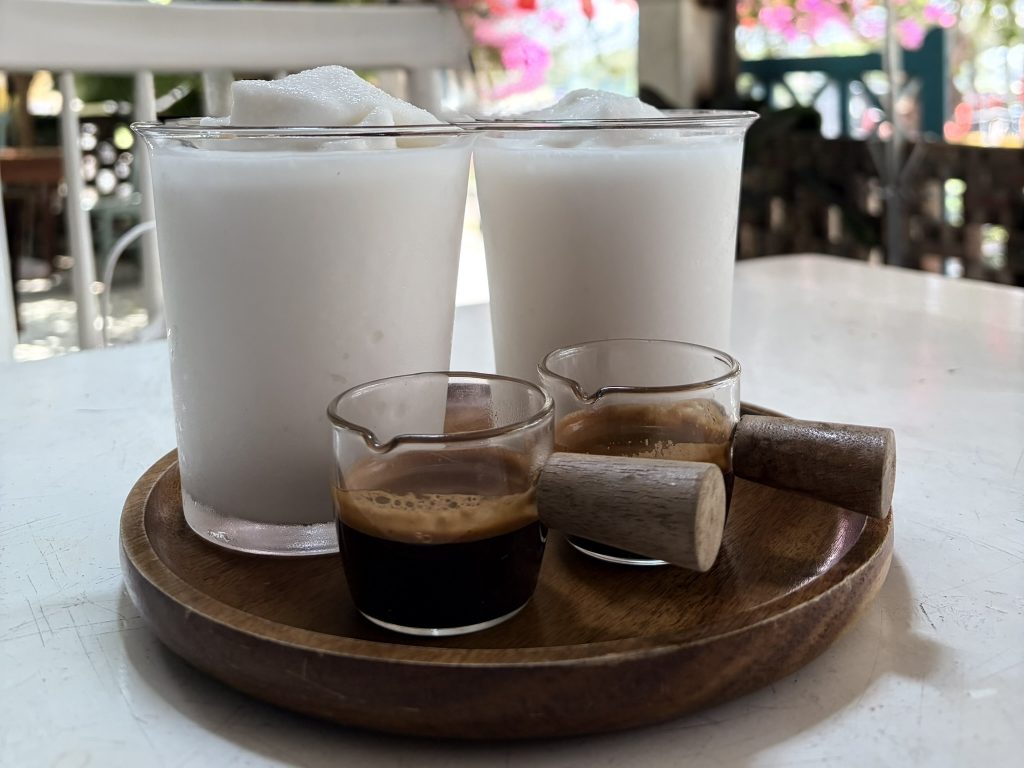
    Two coconut coffees are served on a platter on a table with pink flowers in the background
    Once you’ve tried Vietnamese Coffee you won’t be able to make it through a day of sightseeing without one!

    Ha Long Bay & Cat Ba: Take a cruise, then stay on the island

    Ha Long Bay is famous for its dramatic islands rising from the water, and a boat trip is the obvious way to experience it.

    I’d choose an overnight cruise if your budget allows, but a day cruise can work if you’re short on time.

    For this itinerary, I’d take a Ha Long Bay day cruise and then continue to Cat Ba rather than returning immediately to Hanoi. 

    That gives you time to experience Cat Ba Island too.

    On Cat Ba, I’d:

    • Explore Cat Ba National Park
    • Kayak around Lan Ha Bay
    • Visit the beaches
    • Take a boat trip to see Viet Hai Village
    • Spend some time simply exploring the island

    Lan Ha Bay is particularly appealing if you’d like the limestone scenery without sticking entirely to the busiest Ha Long Bay routes.

    I’d allow 2 days, including the bay trip.

    Ha Giang: Take your time on the Loop

    If I had to choose one experience that really defines Northern Vietnam for me, it would be the Ha Giang Loop.

    This is the trip I’d choose if you’re more interested in mountains and adventure than ticking off traditional tourist attractions.

    The route takes you through some of the most spectacular landscapes in Vietnam, with highlights including Ma Pi Leng Pass, the Nho Que River, Dong Van and Meo Vac.

    I’d allow four days if you can. Three days is possible, but I think it feels rushed. Four gives you more time to actually enjoy the stops rather than spending the whole trip thinking about the next one. 

    Self-Riding or Easy Rider?

    This is one decision I’d take seriously.

    If you’re an experienced rider with the correct licence and insurance, self-riding gives you the most independence. 

    If you’re not, go with an Easy Rider.

    You can sit on the back, enjoy the scenery, and let someone who knows the roads concentrate on the corners.

    There is absolutely no prize for proving you can ride the Loop yourself.

    I’d allow 4 days.

    💡 Roamwise Tip

    Don’t judge the Ha Giang Loop solely by its famous viewpoints. Some of my favourite parts of the experience are the smaller roads, villages, and landscapes between the headline stops.

    Sapa: Trek the rice terraces

    Sapa is probably the most famous trekking destination in Northern Vietnam. And while the town itself can feel busy, the surrounding landscape is spectacular.

    I’d use Sapa as a base rather than spending your entire visit in the centre.

    One of the classic options is trekking through the Muong Hoa Valley, including villages such as Lao Chai and Ta Van.

    I’d recommend using a local guide if you’re doing a longer trek. They can choose a route suited to your fitness level, explain the area and make it much easier to explore beyond the obvious paths.

    A homestay is another experience I’d consider, particularly if you want to spend more time outside Sapa town.

    And then there’s Fansipan, often called the “Roof of Indochina”, because it is the highest mountain in Vietnam, at 3,143 metres.

    You can trek to the summit, which takes two days, or take the cable car. As someone who took the cable car, there’s no judgement from me on how you choose to summit.

    I’d allow 2–3 days.

    💡 Roamwise Tip

    If trekking is your main reason for visiting Sapa, prioritise the valleys and villages over spending too much time in the town itself.

    Ninh Binh: Take a Trang An boat trip

    Ninh Binh is one of the easiest destinations to add to a Northern Vietnam itinerary, and I’d absolutely include it.

    The landscape is the main attraction: towering limestone mountains, rivers, rice fields, and countryside.

    The Trang An boat trip is the obvious highlight. You’ll travel through caves and waterways surrounded by karst mountains, with temples and other stops along the route.

    I’d also climb Hang Mua for the view.

    It is a steep climb, but the panorama over the surrounding landscape makes the sweaty walk worthwhile.

    If you have time, hire a bicycle and explore the countryside rather than jumping straight back onto a bus.

    I’d allow 1–2 days.

    💡 Roamwise Tip

    Stay around Tam Coc or Trang An, not Ninh Binh city. It puts you much closer to the scenery and makes cycling around the area much easier.

    A person stands on a rock jetting out over a ledge with their arms upstretched, the background is misty Northern Vietnam scenery
    Do the Ha Giang Loop 4 days 3 nights to visit the Ma Pi Leng Sky Path

    Want a More Adventurous Northern Vietnam Route?

    The itinerary above is the route I’d recommend to someone visiting Northern Vietnam for the first time.

    But it isn’t the route I’d choose for everyone.

    If you’ve already visited Sapa and Ninh Binh, or you’d rather spend your holiday riding mountain roads and exploring quieter areas, I’d take a completely different route.

    My Alternative

    Hanoi → Mai Chau → Moc Chau or Ta Xua → Ha Giang → Cao Bang → Hanoi → Cat Ba → Ninh Binh → Hanoi

    This route is less about ticking off the most famous attractions and more about the journey itself.

    I’d particularly consider it if you:

    • Love road trips
    • Want more mountain scenery
    • Have already done the classic northern route
    • Prefer quieter destinations
    • Want to spend more time in rural areas

    Alternative Route Destinations

    Mai Chau: An Easy Introduction to Rural Northern Vietnam

    Mai Chau is a good option if you want rice fields, villages, and countryside without immediately committing to a multi-day mountain adventure.

    The valley is surrounded by green hills and is well suited to cycling, walking, and homestays.

    I’d use it as a gentle start to a longer northwest road trip.

    I’d allow 1–2 days.

    Moc Chau: Tea Plantations and Seasonal Landscapes

    Moc Chau offers something quite different from Ha Giang and Sapa.

    The area is known for tea plantations, farms, flowers, and strawberries, as well as a cooler climate, making it particularly interesting if you enjoy travelling according to the seasons. 

    I’d include it if you’re taking your time through the northwest rather than making a special trip there on a short first visit.

    I’d allow 1–2 days.

    Ta Xua: Go for the Mountain Views

    Ta Xua is another option for travellers who want to venture away from the most established Northern Vietnam routes.

    It’s particularly known for its dramatic mountain landscapes and cloud formations, and it works well as part of a northwest motorbike itinerary.

    I’d research the weather carefully before committing to it, though. Cloudy mountain destinations are slightly less impressive when the mountain is completely invisible.

    I’d allow 1–2 days.

    Cao Bang: Discover Ban Gioc Waterfall

    Cao Bang is where I’d head if I wanted to extend a Northern Vietnam mountain trip beyond Ha Giang.

    The main attraction is Ban Gioc Waterfall, but the province is worth more than a quick waterfall stop. I’d also visit Nguom Ngao Cave and God Eye Mountain.

    Cao Bang works particularly well as an extension to the Ha Giang Loop because, rather than completing the usual loop back to Ha Giang City, you can continue east from Meo Vac towards Bao Lac and into Cao Bang

    This gives you a chance to experience two of Northern Vietnam’s most spectacular mountain regions as one longer road trip.

    I’d allow 2–3 days for the Cao Bang section, depending on how much you want to see.

    💡 Roamwise Tip

    If you’re travelling overland from Ha Giang, I’d treat the journey as part of the adventure rather than simply a transfer.  

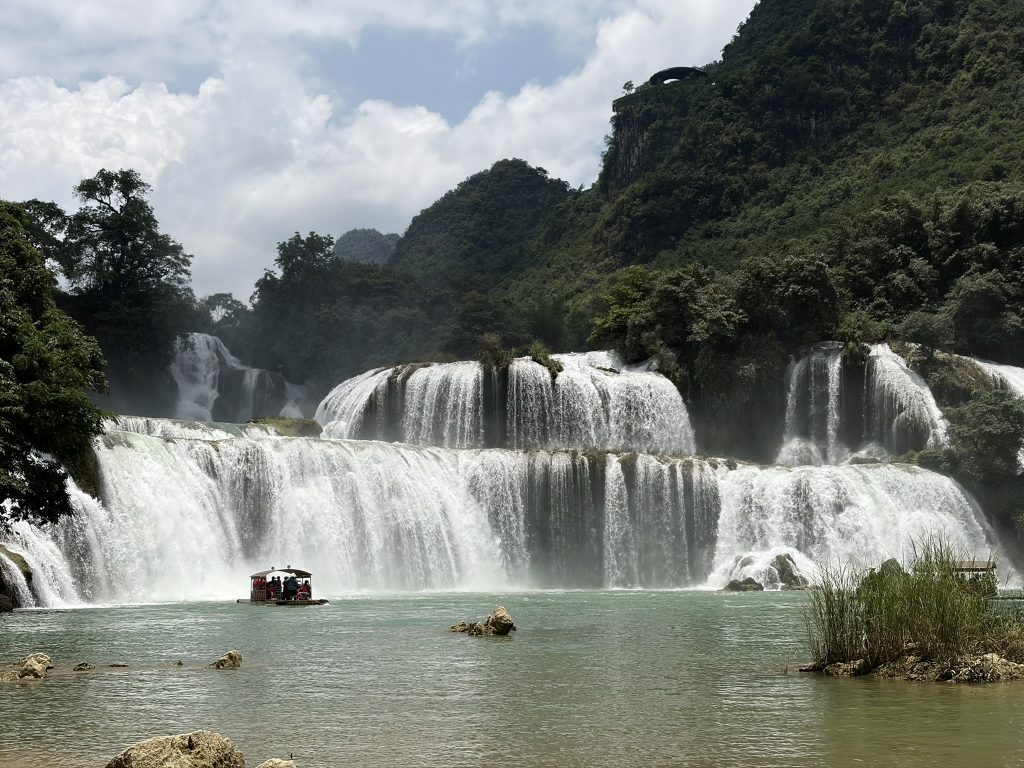
    A huge waterfall separating Northern Vietnam and China tumbles into a still pond with greenery around
    Visit Ban Gioc Waterfall in Cao Bang Province to see the Chinese-Vietnam border up close and personal!

    If You Have Even More Time

    If you’ve got three weeks or more, I’d start looking beyond these two routes.

    Hoang Su Phi

    One of my first choices if rice terraces are your priority and you’d like somewhere quieter than Sapa.

    Ba Be

    Ideal for slowing things down with a lake, forest, boat trips, and welcoming homestays.

    Mu Cang Chai

    One of the best places to look at if you’re travelling specifically for spectacular rice terraces, particularly around the flooded and harvest seasons. 

    September and October are generally the key months for golden terraces here. 

    Pu Luong

    A good choice for trekking and rural scenery without travelling as far north as Ha Giang.

    💡 Roamwise Tip

    You don’t need to add all four. In fact, please don’t. Pick the one that actually interests you.

    Which Northern Vietnam route should you choose?

    RouteBest for
    Classic routeFirst-time visitors who want a bit of everything
    Mountain routeRoad trips, mountains, and quieter destinations
    Northwest routeRice terraces, trekking, and rural landscapes
    Ha Giang + Cao BangAdventure and dramatic scenery
    Hanoi + Ninh Binh + BayShort trips and easier travel

    If you only have a week, I wouldn’t try to recreate the 14-day itinerary. I’d simplify it.

    If you have three weeks, don’t just add more destinations. Slow down the route you’ve already chosen.

    Northern Vietnam Travel Guide FAQs

    Is Northern Vietnam worth visiting?

    Yes. I’d particularly recommend it if you enjoy mountains, food, trekking, road trips, friendly locals, and rural landscapes.

    How many days do you need in Northern Vietnam?

    I’d allow at least 10 days, but 14 days gives you enough time to combine several different areas without rushing constantly.

    Is Sapa or Ha Giang better?

    Sapa is better for trekking and rice terraces, with easier access and more established tourism. Ha Giang is better for mountain passes and motorbike trips.

    Can you travel Northern Vietnam without a motorbike?

    Absolutely. Buses, trains, private cars, organised tours, and Easy Riders make the region accessible without riding yourself.

    When is the best time to visit Northern Vietnam?

    For a general trip, I’d look at March–April or September–November. For rice terraces, September–October is particularly popular, while May–June can offer beautiful flooded terraces.

    Is Northern Vietnam suitable for first-time visitors?

    Yes. Hanoi, Ninh Binh, Sapa, and the bay are relatively straightforward to combine. The more remote mountain regions require more planning but are very rewarding if you have the time.

    Can you do the Ha Giang Loop without riding yourself?

    Yes. An Easy Rider is a popular option if you want to experience the Loop without being responsible for navigating the motorbike yourself.

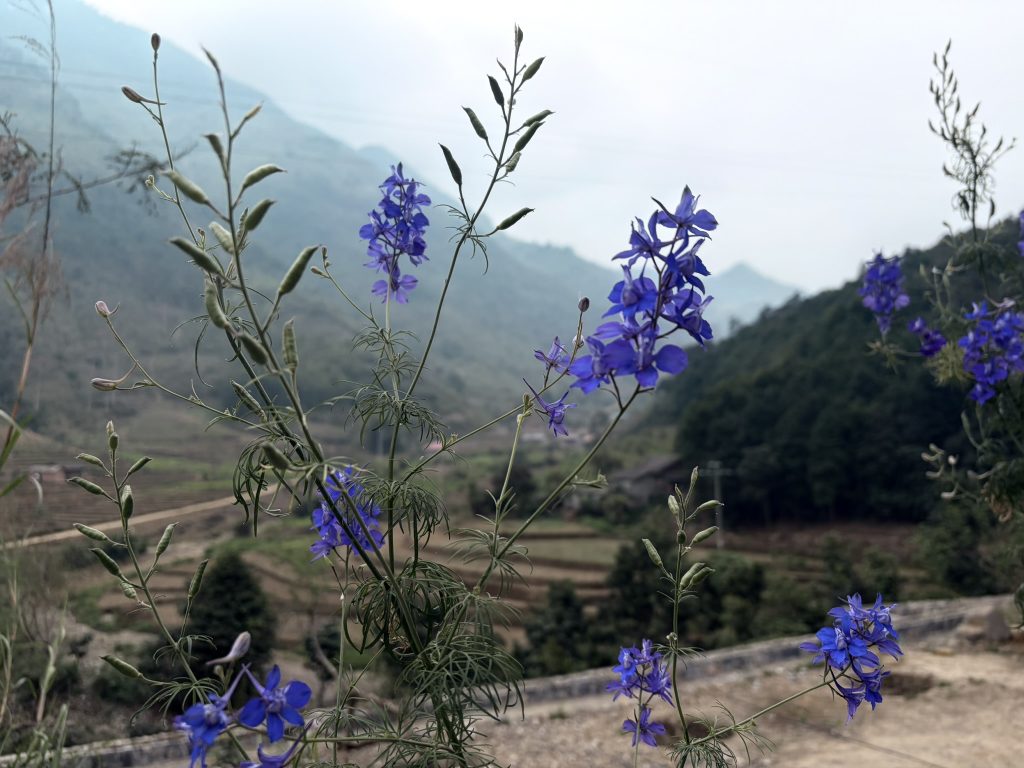
    Blue flowers take up the majority of the image but beyond them is rice fields and mountains
    The best time to visit Northern Vietnam is generally around March–April or September–November

    Food For Thought…

    I don’t think there is one perfect Northern Vietnam itinerary.

    The route I’d recommend to a first-time visitor isn’t necessarily the route I’d choose for myself.

    That’s why I think the best way to plan Northern Vietnam is to start with what you actually want from the trip.

    If you want the classic combination of city, coast, mountains, and countryside, follow the first route.

    If you want winding mountain roads, smaller destinations, and fewer familiar stops, take the alternative.

    And if you’re lucky enough to have three weeks or more, slow down and explore beyond the usual Northern Vietnam itinerary.

    You don’t need to see everything. You just need to choose the places you actually want to see—and give yourself enough time to enjoy them.


    Roamwise by Leaf — Practical guides | Forgotten stories | Meaningful journeys